Livigno Ski Season: When It Opens, Closes and Skis Best
Plan around the Livigno ski season: how the two ski areas fit together, when the season typically opens and closes, and which weeks suit which ability.
On this page
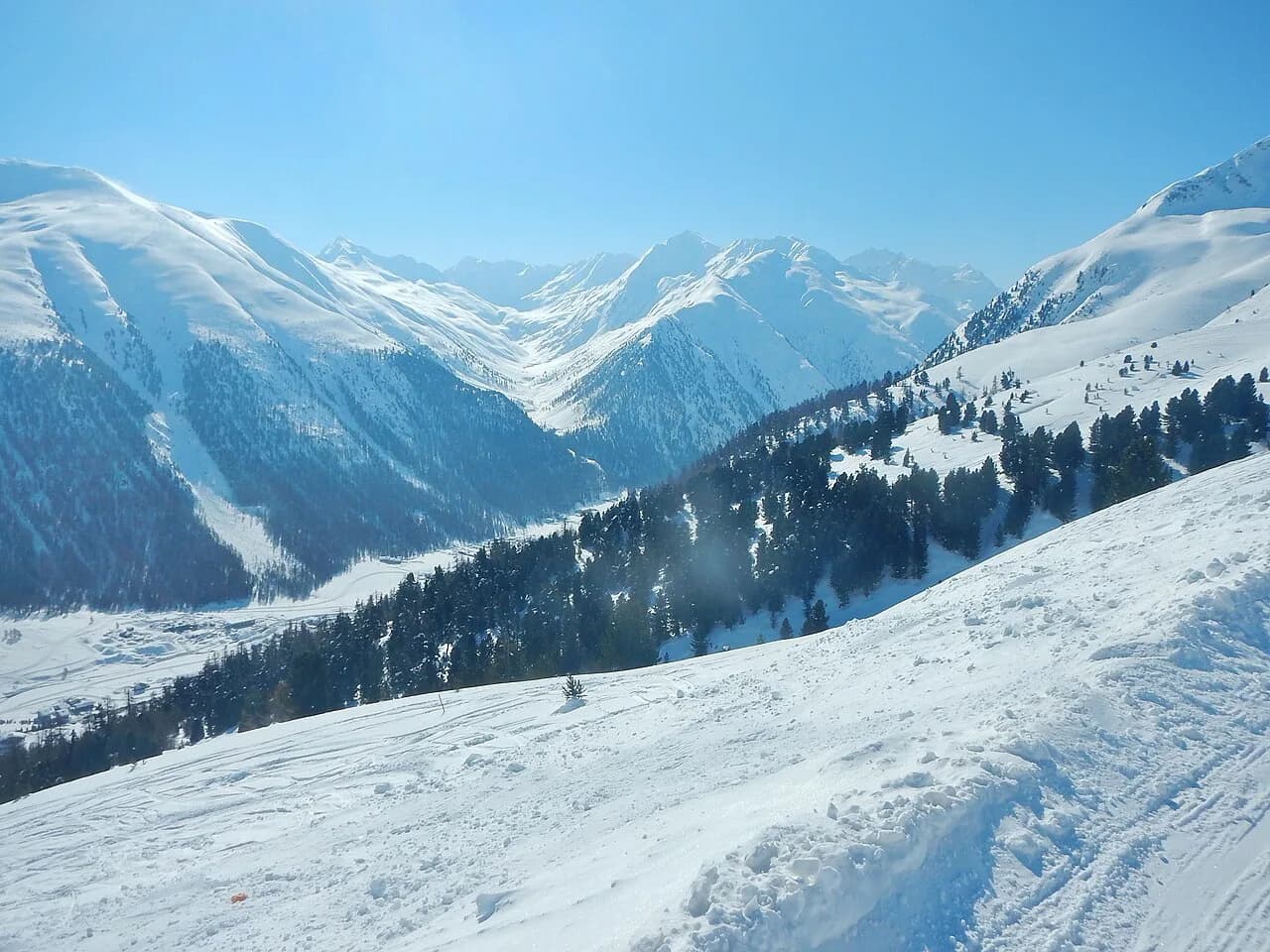
Livigno sits high in the Alta Valtellina close to the Swiss border, with the village at 1,815m and lifts climbing to 2,800m. The season is not one block of terrain but two: Mottolino on one side of the valley and Carosello 3000 on the other, each with its own character and its own opening rhythm. Book the right week and the right side of the valley and this becomes one of the most forgiving early and late season choices in Italy.
This guide treats the season as a planning problem rather than a date on a calendar. It sets out what the resort publishes, what usually opens when, and how to match a week to beginner, intermediate or expert skiing. Where a figure is volatile, it tells you where to check instead of guessing.
The Livigno ski season at a glance
The resort sits at 1,815m, and the skiable terrain reaches 2,800m, so the vertical range covers roughly a thousand metres of altitude. That matters more than any single opening date because the upper slopes hold snow when the valley floor softens. The published area is 115km of pistes across 75 runs, served by 31 lifts: 11 drags, 14 chairs and six gondolas.
Snowmaking covers a large share of the runs, which is what allows the resort to open confidently in December and keep lower pistes skiable in March. Roughly four-fifths of the terrain is covered by artificial snow, and 40km of cross-country trails add a second way to use the valley when the alpine slopes are busy. None of this guarantees any individual run on any given day, so treat the snowmaking figure as a measure of resilience rather than a promise.
For the wider resort picture, including sectors, lift layout and terrain notes, the livigno skiing guide is the natural starting point before you fix dates. It is worth reading the sector descriptions first, because where you stay shapes which lifts you use every morning.
Two ski areas, two seasons
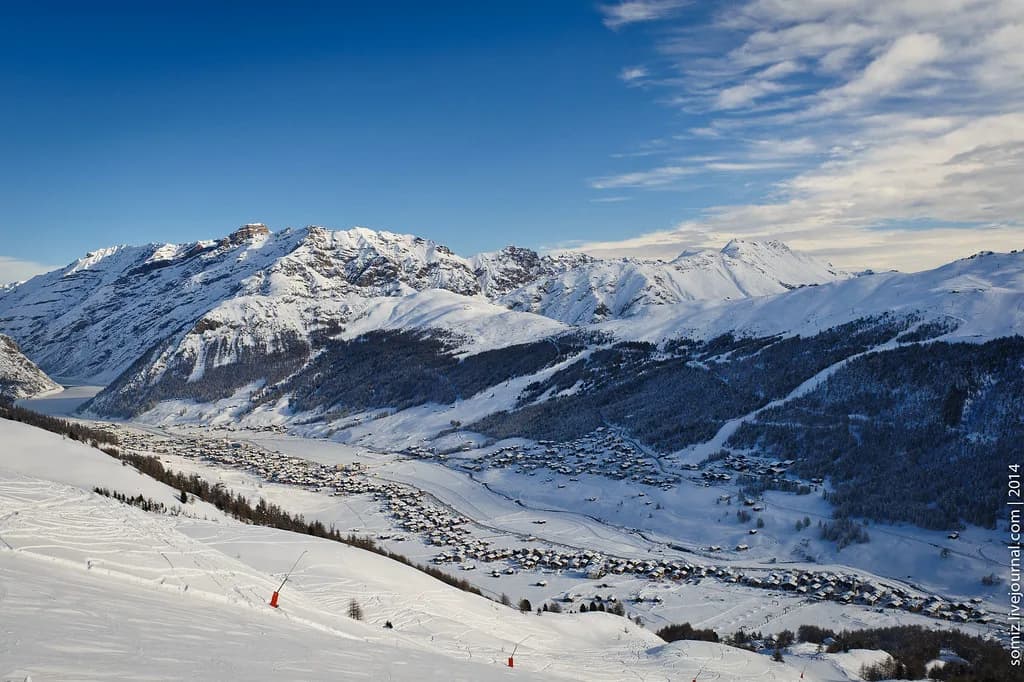
Livigno's terrain is split into two separate ski areas on either side of the valley: Mottolino and Carosello 3000. They are not connected by pistes at village level, so you generally choose a side for the day and use the resort bus or your own arrangement to move between them. This split is the single most useful thing to understand when planning a week, because each side has its own beginner zones, its own lift network and its own snowmaking priorities.
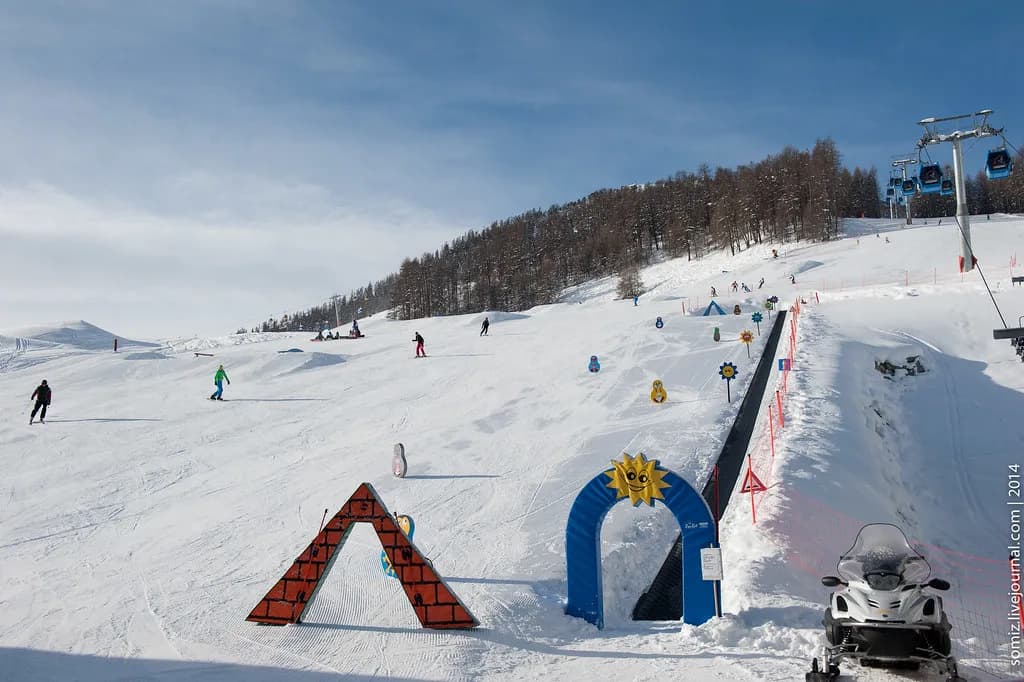
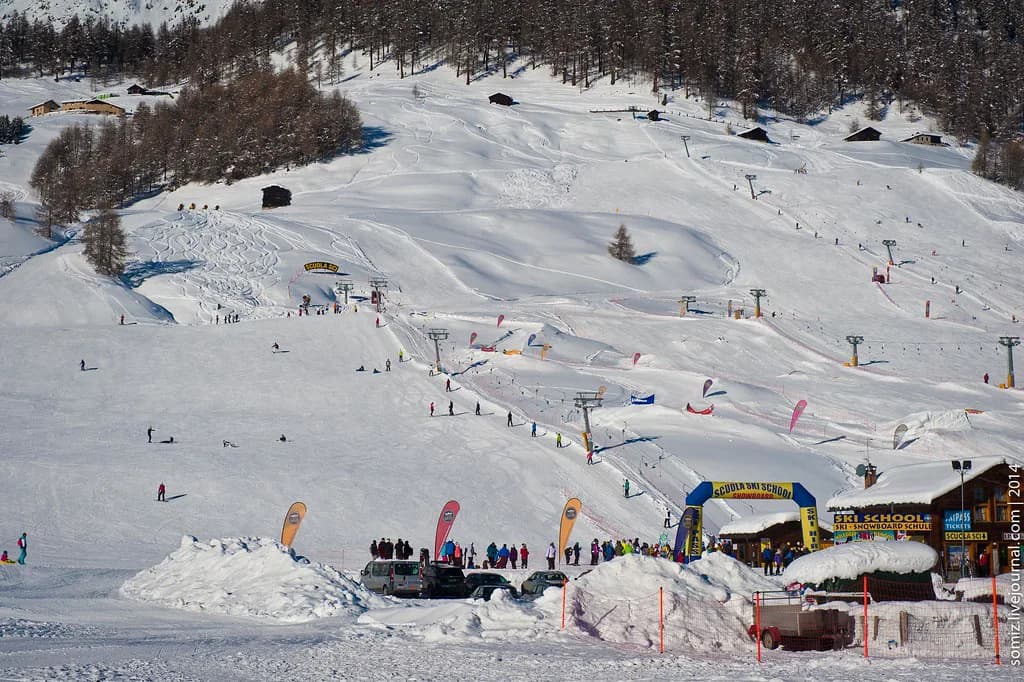
Mottolino has added a six-person chair, a J-bar and a dedicated ski school beginner area, plus the Mottolino Snow Park, which is one of the largest in the Alps. Carosello 3000 holds the nursery slopes at its base, which is where many first-timers take their first turns. If you are booking lessons, the base area you stay near should match the beginner zone your school uses.
The two-area structure also explains why a single early-season week can feel generous or thin. One side may open ahead of the other, and a day spent on the wrong side means a bus ride and a wasted morning. Use the livigno ski map to see how the sectors relate before you commit to accommodation.
When the season opens and closes
The lift company publishes winter opening and closing dates each year, and those dates are the only figures worth planning against. The resort's official site sets out the planned season window, confirms which lifts are scheduled, and updates any changes. Published dates describe the plan, not a daily guarantee: warm spells, wind and maintenance can close lifts or pistes with little notice, so check again in the week before you travel.
As a practical pattern, the season generally starts in early December and runs into April, with the December weeks quieter and the March weeks sunnier. Heidi's resort guidance points to the first half of December and mid-to-late March as the value windows, when you trade some terrain for lower prices and thinner lift queues. Nothing about those weeks is fixed, so confirm against the resort's own calendar rather than a booking site.
One useful date to know is that night skiing exists at Livigno, which extends the usable day on the slopes during parts of the winter. It does not run every night; the resort publishes which evenings it operates and on which piste.
Early season: December to mid-January
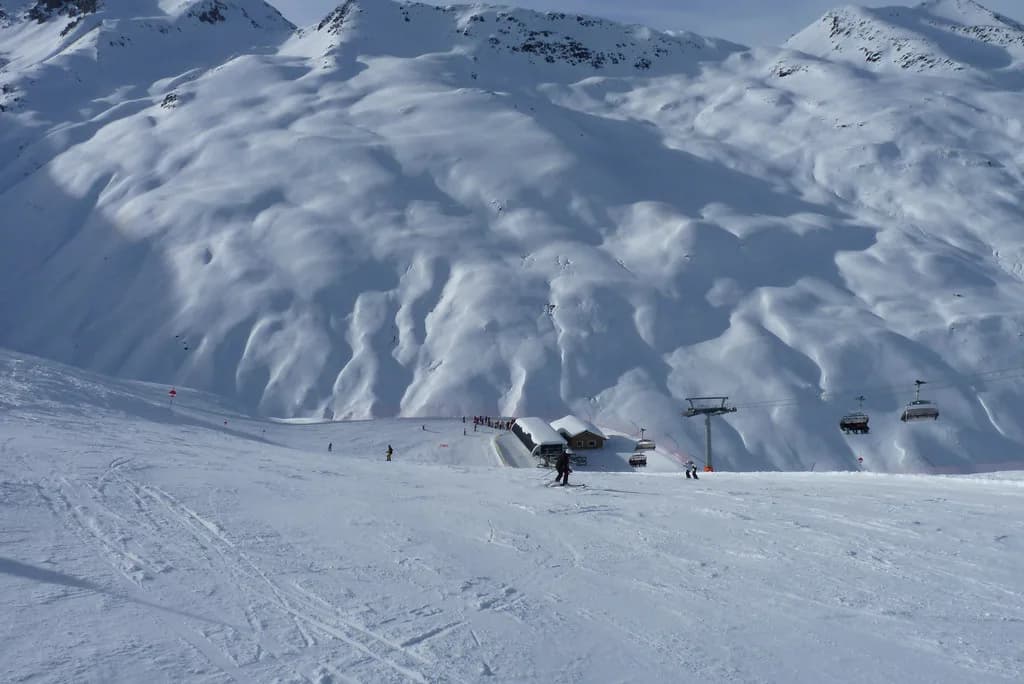
Early season in Livigno usually means snowmaking-dependent skiing on the higher, prepared runs, with the valley floor cold enough to keep the base firm. The upper terrain toward 2,800m above Carosello and the Mottolino side is where you should aim if you want the best conditions; lower runs may be thin or only partly open. That is the trade-off for cheap weeks, short queues and a near-empty village.
The quiet weeks suit improvers and confident beginners who can use a limited number of open blues without needing variety. They suit experts too, provided you have a car or are willing to shuttle between the two areas. Families booking early should confirm that the children's ski school beginner area on your chosen side is open, since that decides whether small skiers learn well or spend the morning waiting.
Book early-season accommodation with flexibility. A December snowfall can arrive in a week, and a warm December can thin the lower runs quickly. A booking with a sensible cancellation window costs a little more than a no-refund rate but protects you if the opening plan shifts.
Peak season: late January to early March
From late January through early March the whole lift network is normally turning, both ski areas are open and the snowmaking base is at its deepest. This is the safest window to book if you only care about full terrain. It is also the busiest: Italian and European school holidays land in February, and weekends bring day visitors from the surrounding valleys. The Powderhounds resort guide is a good pre-trip read for the full terrain picture.
Peak weeks reward early booking. Accommodation in the pedestrian centre and near the Mottolino and Carosello base areas sells first, and ski school places for beginner groups fill before Christmas for the February dates. Sort both about three to four months ahead if you are travelling with children or a group.
Expect to queue at the main base lifts in the morning and to eat lunch late or early to avoid the crunch. The trade-off might feel annoying but it comes with the best snow of the year and the full 115km open. If queues bother you more than snow, shift a week to the second half of March instead.
Late season: mid-March to close
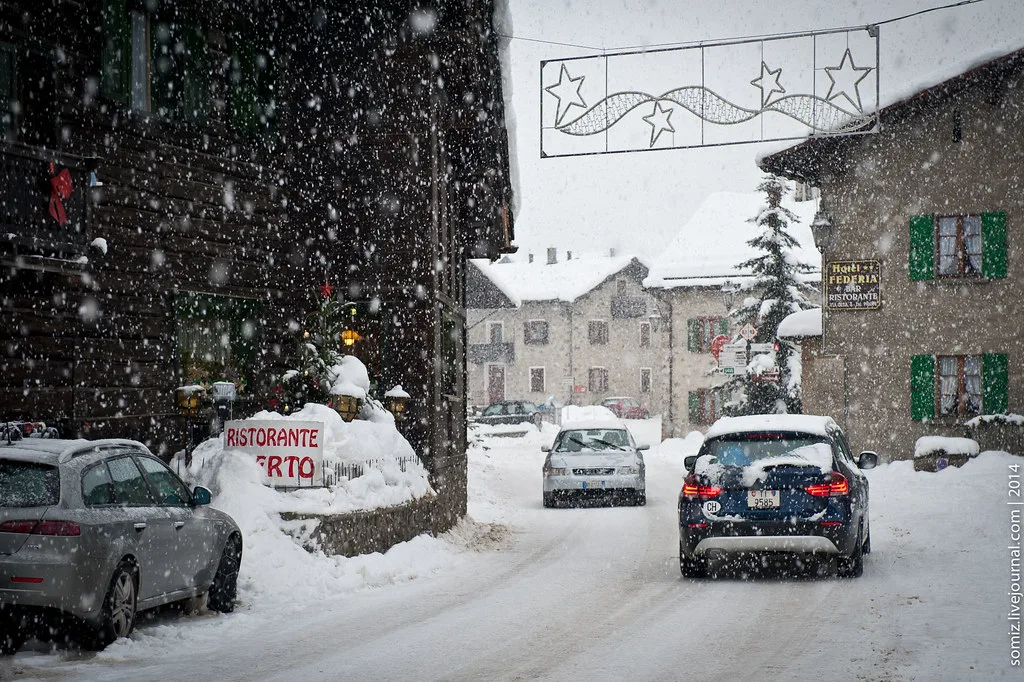
From mid-March the days lengthen, the terraces fill and the skiing moves uphill as the valley floor softens. Aim for the higher runs above Carosello and the upper Mottolino terrain, and start early to catch the firm snow. By late afternoon the lower pistes turn slushy, which suits some skiers and frustrates others.
Late season is often the best value week for intermediates who want long, cruising reds in warm weather and don't need every run open. It also suits small groups who care about the village as much as the mountain, since the duty-free shops and 100-plus bars are fully open. Just look at which lifts are still scheduled; the resort publishes planned closures toward the end of the season.
Off the piste, the 40km of cross-country trails and the groomed fat-bike routes work well in spring, when the snow is grimy on the valley paths but solid higher up. The ski map shows the sectors and how to loop back to the village without relying on snow cover.
Choosing your week by ability
Beginners should target December or the first half of January, when the nursery slope at the Carosello base and the Mottolino ski school area are less crowded. Early weeks also mean smaller classes, which matters most for children. The award-winning English-speaking schools can fill quickly, so book lessons and equipment together. The livigno ski lessons guide covers group sizes and lesson formats.
Intermediates have the widest choice. The terrain split is about 57 percent red and 26 percent blue, with generous, wide cruising runs scattered on both sides of the valley. Christmas and the quieter January weeks are good for mileage; February is best for snow. Avoid the late-March slush on lower runs if you are still building confidence.
Advanced skiers should aim for February or the second half of March, when the freeride terrain is deepest and the Monte della Neve slopes get interesting. The 17 percent of black runs is not huge in volume, but the off-piste above Mottolino and Carosello is what earns Livigno its powder reputation. March powder days are rarer but softer and warmer.
Getting the pass and lessons sorted
Livigno's lift company sells passes through its official channels, with points of sale in the village and pre-purchase options for travel dates. Pass products vary between single-day, multi-day and season, and the resort also publishes children's age bands and any local discounts. Work out your pass plan on the livigno ski pass guide so you buy the right length before you arrive.
Ski hire is straightforward in the village, with shops in the centre and at both base areas. Pre-book in peak weeks and bring boot sizes and weights for everyone in the group; walk-in stock is thinner at Christmas and February half-term. Livigno Ski hire is worth booking alongside lessons so your rental pick-up is close to the school meeting point.
Children aged seven and under are often free on the lifts, and several operators discount the eight-to-fifteen age band when passes are bought with a holiday. If you are booking independently, read the official tariff carefully, then confirm the prices on the official site when you buy.
Getting to Livigno and around
Innsbruck is the closest practical airport for most UK arrivals, with a transfer of around two and a half hours through the mountain tunnels. Friedrichshafen is further, about four and a half hours. That timing on the Innsbruck route depends on tunnel operating schedules, so treat transfer times as approximate and recheck them closer to departure.
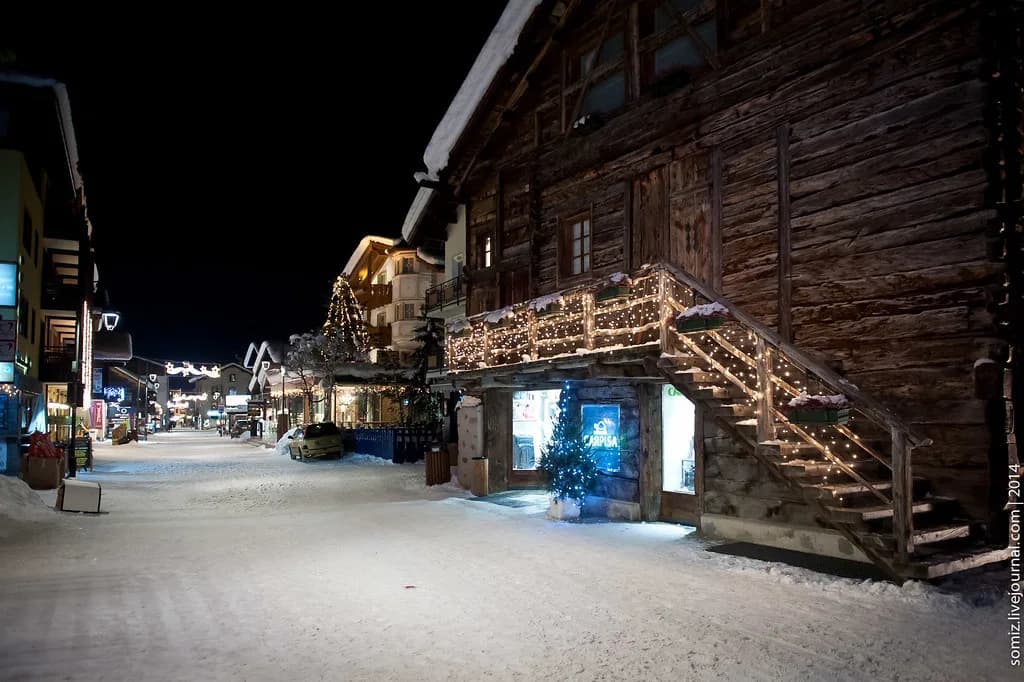
Livigno's tax-free status comes from its location near the Swiss border and shapes the village experience as much as the skiing. The pedestrian centre stretches over three kilometres of bars, restaurants and duty-free shops, which makes it a genuine destination on a rest day. If you drive, filling the tank locally is one of the classic reasons people stop here.
Inside the village, a free resort bus runs between the two ski areas and takes buggies. That matters for families staying away from the lifts, since walking in ski boots between Mottolino and Carosello is not practical. Use the bus timetable to decide whether a base near one lift or the other suits your group better.
Where to stay in the valley
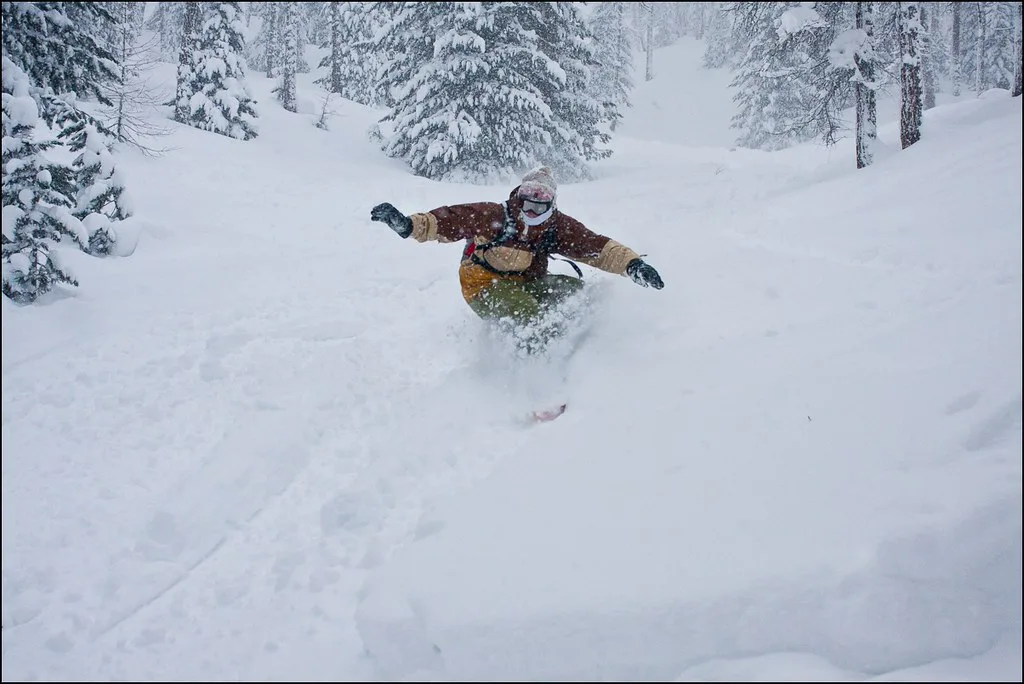
The village runs along the valley floor in a long strip, with the pedestrian centre in the middle and the two ski areas at either end. Staying near Carosello 3000 puts beginners in reach of the nursery slopes; staying near Mottolino suits groups who want the snow park and the larger lift network. Staying in the centre gives the best bars and shops but adds a bus ride each way.
Peak dates fill first in the centre and at the base areas, so lock in accommodation once your week is decided. Early and late season bookings can be more relaxed, with the bonus that rates tend to be lower. If you are travelling with a non-skier, the shops, restaurants and activities such as ice skating and tobogganing keep the village useful even when the lower slopes are thin on snow.
Week-by-week decision guide
If you want the cheapest winter week with reliable snowmaking and fewest people, choose the first two weeks of December. If you want full terrain, the strongest snow and you are willing to book early, choose late January or the first two weeks of March. February works for anyone tied to school holidays, provided you book lessons and hire before Christmas.
For softer snow and sunshine at altitude, mid-to-late March is the best value for intermediates. For the deepest freeride conditions, February and the first half of March win. For quiet slopes, whatever your level, early December and mid-to-late March are the honest answers.
Every one of these choices depends on the resort's plan, not on a forecast. Cross-check the week you pick against Livigno's published calendar and the latest lift status in the days before travel. It is also worth reading the Livigno Skiing Guide for the sector detail to fill out the picture.
Checklist before you book
Confirm the season window and scheduled lifts on the official site for your exact week. Check that your chosen base area is scheduled to open, and that the children's ski school beginner area on that side is running. Book lessons, hire and accommodation with a sensible cancellation term.
Then sort the practical bits: transfer times from Innsbruck, snow chains if self-driving, and insurance that covers off-piste if you plan to explore the freeride terrain. Cross-check the rest of the high-altitude Italian options against the cervinia ski season guide if you are comparing resorts, since the two areas differ sharply in their season structure.
Plan Your Visit
Livigno's season is best understood as two separate ski areas facing each other across a high valley. Book your week by ability and base area, not just by month, and check the resort's published dates before you commit. Get the timing right and this is one of Italy's most rewarding mid-altitude resorts.
Frequently Asked Questions
When does the Livigno ski season start and finish?
The lift company publishes winter opening and closing dates each year, and those are the figures to plan against. The season generally starts in early December and runs into April, but exact dates vary, so check the resort's official calendar for your week rather than relying on an old brochure or a booking site.
What is the best month to ski in Livigno?
Full lift access and the deepest snow usually fall between late January and early March, though February brings school-holiday crowds. For cheaper, quieter weeks, December and mid-to-late March trade some terrain and consistency for lower prices and shorter queues. Match the month to your ability rather than chasing a single best answer.
How much does a one-day ski pass cost in Livigno?
Lift pass prices change each season and depend on the number of days, the skier's age band and the product. Check the official lift company tariff for current rates before you travel. Children's age bands and package discounts are sometimes offered, so read the details carefully.
Where should I stay for a Livigno ski holiday?
Staying near Carosello 3000 suits beginners because the nursery slopes sit at the base, while staying near Mottolino puts you closer to the larger lift network and the snow park. The pedestrian centre has the best bars and shops but adds a bus ride to the lifts. Peak weeks fill first, so book accommodation once you have chosen your week.
How do you get to Livigno?
Innsbruck is the closest practical airport, with a transfer of around two and a half hours, while Friedrichshafen is about four and a half hours away. The Innsbruck timing depends on tunnel operating schedules, so treat transfer times as approximate. Livigno's location near the Swiss border gives it tax-free status, which is one of the resort's defining quirks.
Does Livigno have night skiing?
Yes, night skiing runs at Livigno on selected evenings. Which nights and which piste are published in the resort's programme, so check that during your stay, as it does not operate every night of the season.
How much of Livigno's terrain is covered by snowmaking?
Roughly four-fifths of the runs have snowmaking coverage, which is what allows the resort to open confidently in December and keep lower pistes skiable in March. Snowmaking makes the resort resilient but does not guarantee a specific run on a specific day, so check lift and piste status closer to travel.
Sources
Useful notes for your next ski trip
Optional updates to our Alpine resort guides.
You might also like
Continue reading
More guides you'll find useful