Les Gets Ski Season: Dates, Piste Sectors and What to Book
Plan your Les Gets ski season around the real resort layout: Chavannes, Ranfolly, Mont Chery and Nyon, plus lift pass choices and when to book.
On this page
Les Gets is a farming village turned ski resort in Haute-Savoie, and its season is shaped by two things: a modest altitude and a large linked network. The village base sits at about 1,172m and the top lifts reach around 2,001m, so snow reliability improves as you climb rather than holding across the whole mountain. This guide explains how the sectors fit together and what to book before you arrive.
Rather than treating Les Gets as a single blob of pistes, plan around four distinct areas: Chavannes, the Ranfolly Bowl, Mont Chery and the Chamossière/Nyon side. Each has its own character, access and ideal ability level. Knowing which is which prevents a lot of wasted mornings, especially if you are skiing with a mixed-ability group.
What the Les Gets ski season means in practice
Les Gets tops out at roughly 2,001m, with the village at about 1,172m. That is mid-range for the French Alps, so the season depends heavily on snowmaking and on choosing your week well. Most of the local slopes are on grassland rather than rock, which means thin cover is more forgiving to ski on than at higher, rockier resorts.
Expect a winter that opens somewhere around mid-December and runs into April, but the exact dates change with snow and lift-company plans. The resort publishes its opening and closing dates on its own site each autumn, and that is the only place to confirm the coming season. Book flights and accommodation around that published window rather than around guesswork. If you are still weighing up where to go, our Alpe d’Huez Ski Season guide looks at how a higher resort sets its own dates.
The low-altitude trade-off is real but manageable. Cold, clear weeks in January and February usually keep the pistes in good shape, while mild spells can soften lower runs. If you have flexibility, aim for mid-January to early March for the most reliable cover. The snowmaking investment on key runs is what keeps the resort skiable through leaner spells.
Season shape month by month
December is a gamble worth taking only if you are flexible. The resort has snowmaking on key runs and a Christmas atmosphere that includes Father Christmas appearances in the village, but early-season cover can be patchy. If you book December, go for the festive weeks when the village is at its best and accept that not every run will be open.
January and February are the core of the season. Mid-January is often quieter and cheaper than the February school holidays, which are the busiest weeks of the winter. If you can avoid the French and British half-term dates, you will find shorter lift queues and better-value accommodation. Book those peak weeks early, because the best chalets and apartments go first.
March and April bring longer days and softer snow, which suits intermediates and anyone who prefers lunch on a sunny terrace to first lifts in the cold. The lower runs can get slushy in the afternoon, but the upper sectors hold up well. Late-season skiing here is about managing the sun rather than fighting the cold.
Les Gets within the Portes du Soleil
Les Gets is part of the Portes du Soleil, a cross-border circuit linking a dozen resorts between France and Switzerland. The full circuit is often quoted at around 650km of piste, while Les Gets itself accounts for roughly 110 to 120km depending on how you count. The wider network is the reason many skiers choose the area, but it is not the reason to choose Les Gets for a short break.
The local Les Gets and Morzine area gives you plenty for a week without ever crossing into Switzerland. The full Portes du Soleil pass pays off if you plan to ski across to Avoriaz, Châtel or Morgins and back in a day. For a family week based in the village, the local pass is usually the smarter buy. The pass choice is covered in more detail in the Les Gets ski pass section below.
Reaching the wider circuit from Les Gets takes time. The link to Morzine and then Avoriaz involves a sequence of lifts, so a day trip to the far side of the Portes du Soleil is a full-day commitment rather than a casual detour. Plan one or two circuit days rather than trying to touch every valley.
Chavannes: the main access point and beginner hub
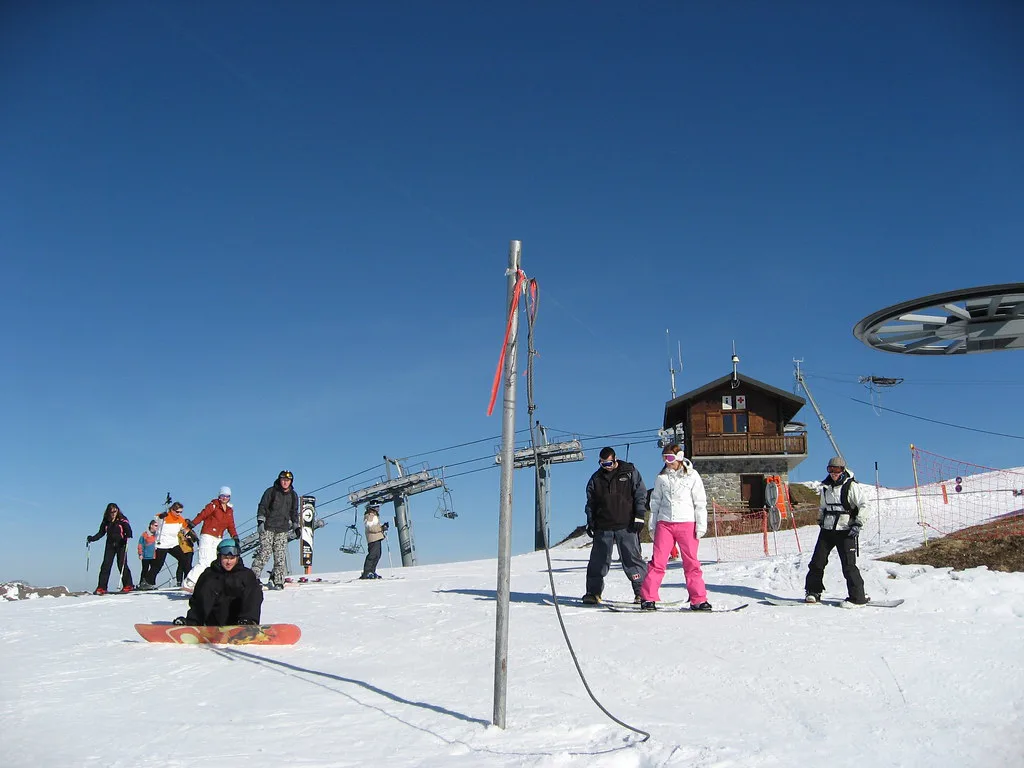
Chavannes is the main starting point for the Les Gets ski area and the meeting place for most ski schools. Two main lifts serve the sector, including a high-speed six-seater and a bubble lift, which keeps the initial upload reasonably efficient. Mornings and the end of the day are the busiest times on the home run, so plan your descent accordingly.
Beginners should stay in the Chavannes sector for the first few days. The nursery slopes give way to the Choucas run, then Reine des Pres and Renardiere, which build confidence gradually. Once you are comfortable, the Vorosses run on La Turche is a good next step. This progression is one of the reasons Les Gets works well for first-timers.
Intermediates and advanced skiers can use Chavannes as a gateway to the rest of the mountain. The tree-lined Melezes run is a good introduction to the steeper terrain, and from the top of the sector you can move on to the Ranfolly Bowl or across towards Nyon. Treat Chavannes as a transit hub as much as a ski area.
Ranfolly Bowl: the second hub
The Ranfolly Bowl is the second busiest part of the Les Gets area and is reached from Chavannes. It offers a mix of runs for all levels, with more options for intermediates than the beginner zone. Because most ski schools use the bowl in the morning, the beginner slopes there can be busy early in the day.
For confident skiers, the Tulipe area has some of the best steeper pitches in the bowl. A couple of red runs will keep most intermediates entertained for a few hours. Beginners have green and blue options from the bowl that present a step up from the learner slopes, which makes it a natural next stage after Chavannes.
Mont Chery: the quieter, separate sector
Mont Chery is arguably the best sector in Les Gets for views, restaurants and a quieter ski day. It does not connect directly into the rest of the ski area, so you commit to the sector once you go up. That isolation is exactly why it stays uncrowded, even in peak weeks.
The terrain suits intermediates and confident skiers. Several easy reds and challenging blues make it a good place to hone your skills, with the Lievre, Chevreuil and Mouflon runs among the best. The black Bouquetin opens only when conditions are right, and the mogul fields give advanced skiers a proper workout. Beginners will find a few challenging blues, but the sector is not the place to learn.
Chamossière and Nyon: the toughest skiing
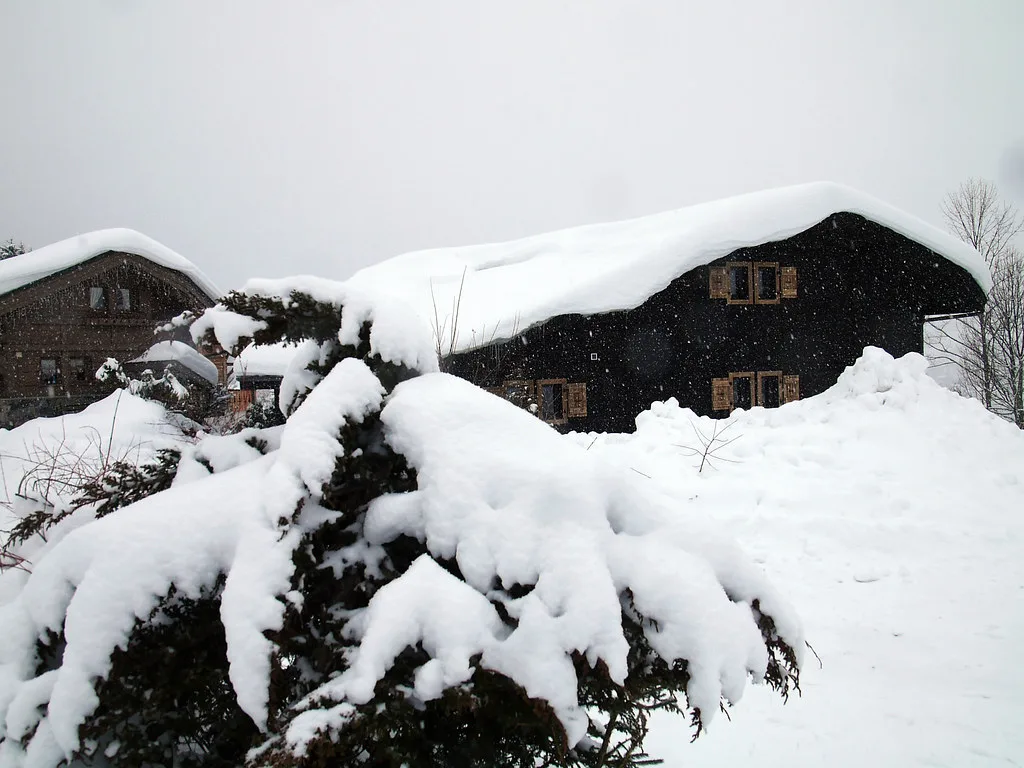
Some of the most challenging skiing in the Les Gets and Morzine area is on the Chamossière and Nyon side. The reward is some of the best panoramas of Mont Blanc and Lake Geneva in the region. Intermediate and advanced skiers who want off-piste should head round the back of Chamossière, but only with a guide, as the ungroomed sections can be avalanche-prone.
The red run on this side is at the difficult end of the spectrum, so it suits confident skiers rather than those still building experience. Beginners should treat Chamossière and Nyon as out of bounds and stay in the Chavannes and Ranfolly sectors instead. If you are an advanced group, this is where you will spend your most demanding day.
Lift pass products and who each suits
There are three main pass choices: a Les Gets local pass, a Les Gets and Morzine pass, and the full Portes du Soleil pass. The Les Gets pass covers Chavannes, the Ranfolly Bowl and Mont Chery. The Morzine pass adds Nyon and Chamossière, while the full pass opens the cross-border circuit. Match the pass to your plans rather than buying the biggest one by default.
For a one-week family trip based in the village, the Les Gets pass is usually enough. If you want to explore Nyon and Chamossière, or you are skiing with a group that likes to cover ground, the Morzine pass adds worthwhile terrain. The full pass makes sense if you plan at least one day across to Avoriaz or Switzerland, or if you are staying for a fortnight.
Several sources quote a 10% discount for groups of four or more on lift passes. That is worth factoring in if you are travelling as a group, but confirm the current scheme when you buy. Pass prices and discounts change each winter, so check the official Les Gets site before you budget.
Where to buy passes and how to save
Buying online in advance is usually cheaper than buying at the resort window, and some providers will post passes to your accommodation so you can ski on the first morning without queuing. The exact saving varies by season and product, so compare the online price with the window price before you commit.
If you are booking a package holiday, check whether the lift pass is included. Some tour operators bundle passes into the package, which can be better value than buying separately, but it also locks you into a particular pass type. Read the small print so you know whether you are getting the Les Gets, Morzine or full Portes du Soleil pass.
Ski schools and equipment hire
Les Gets has several ski schools, including the British Alpine Ski and Snowboard School, which offers group and private lessons, and the Skiplus School, which specialises in off-piste. Most instructors speak good English, which makes lessons easier for British families. Book lessons early for the February half-term and New Year weeks, as the best instructors fill up.
Equipment hire is straightforward if you pre-book and pay online before you arrive. You then collect your gear at the shop and head straight to the lifts, avoiding the first-morning scrum. If you are hiring for a week, ask whether the shop offers a midweek swap so you can change skis as your confidence grows. The Ski Hire in Les Gets guide covers the options.
Getting there and around
Geneva is the nearest major airport, about an hour's drive from Les Gets. Lyon and Annecy are alternatives but involve longer transfers. By rail, Cluses is the nearest station, about 22km away, with shuttle buses into the resort. If you are driving, the village is well connected by road from the A40.
Once in Les Gets, the village is compact and most accommodation is within walking distance of a lift or a bus stop. The free shuttle buses connect the different hamlets and lift bases, which is useful if you are staying away from the centre. A car is not essential, and parking can be limited in peak weeks.
Who Les Gets suits
Families and learners are the core audience. The village is friendly, the beginner progression from Chavannes is well designed, and there is plenty to do off the snow, including an ice rink, cinema and bowling alley. The dedicated beginner areas and ski schools make it a low-stress choice for a first family ski trip.
Advanced skiers will find the most challenging terrain on Chamossière and Nyon, but they should be realistic about the altitude. Les Gets does not offer the high-altitude steepness of resorts like Val Thorens or Chamonix. If you want a week of hard black runs and reliable snow, Les Gets works best as part of a Portes du Soleil trip rather than as a dedicated advanced destination.
Booking timing: what to lock in early
For New Year, February half-term and the Christmas week, book accommodation and ski school as early as you can. These are the weeks when the best chalets, apartments and instructors go first, and prices are at their highest. If you are flexible, mid-January and mid-March offer a better balance of snow, cost and quiet slopes.
Lift passes and equipment hire can usually wait until closer to your trip, but booking online in advance still saves time and often money. Flights to Geneva are worth booking early for peak weeks, as budget airline seats sell out. Transfers can be arranged later, but check availability if you are arriving on a busy Saturday.
Practical pre-trip checks
Before you travel, confirm the current season dates and lift opening times on the official Les Gets site. The resort publishes its winter dates and daily lift hours there, and these can change with conditions. Do not rely on last year's dates, as the season can shift by a week or more either way.
Check the snow report and piste conditions a few days before you go, and again on arrival. The resort's snow report will tell you which runs and lifts are open. If snow is thin, focus on the upper sectors and snowmaking-covered runs rather than the lower home runs. The Les Gets ski map is useful for planning which sectors to target on a short trip.
Plan Your Visit
Les Gets rewards skiers who plan around its layout rather than its headline numbers. Use Chavannes for lessons and progression, Ranfolly for a step up, Mont Chery for a quieter day and Chamossière for a challenge. Match your pass to those plans and you will get more from the resort than a generic all-area ticket allows.
Book the peak weeks early, buy passes online where it saves money, and confirm dates and conditions on the official site before you travel. If you are comparing resorts, the Alpe d’Huez Ski Season guide shows how a higher-altitude resort shapes its season differently.
Frequently Asked Questions
When does the Les Gets ski season start and finish?
The winter season typically runs from around mid-December to April, but the exact dates change each year. The resort publishes its official opening and closing dates on its website in the autumn, so check there before booking.
Is Les Gets good for beginners?
Yes. The Chavannes sector has a dedicated beginner zone and a clear progression from nursery slopes to the Choucas, Reine des Pres and Renardiere runs. Several ski schools operate from the same area, which makes lessons easy to arrange.
Do I need the full Portes du Soleil pass in Les Gets?
Only if you plan to ski across to Avoriaz, Châtel or Switzerland. For a week based in Les Gets, the local Les Gets or Les Gets and Morzine passes cover most of the terrain you will want to ski. The full pass pays off for longer trips or committed circuit skiers.
How high is the skiing in Les Gets?
The village sits at about 1,172m and the top lifts reach around 2,001m. That is mid-range for the French Alps, so snow reliability is better on the upper slopes and on runs with snowmaking.
Is Les Gets snow-sure?
Not in the way a high-altitude resort is. Les Gets relies on snowmaking and on choosing the right week, with January and February generally the most reliable. The slopes are on grassland rather than rock, which helps when cover is thin.
Which airport is closest to Les Gets?
Geneva is the nearest major airport, about an hour's drive away. Lyon and Annecy are alternatives with longer transfers, and Cluses is the nearest railway station, about 22km from the resort.
When is the quietest time to ski Les Gets?
Mid-January and mid-March are usually quieter than the Christmas, New Year and February half-term weeks. Avoid the French and British school holidays if you want shorter lift queues and better-value accommodation.
Is Mont Chery connected to the rest of the Les Gets ski area?
No. Mont Chery has its own lift system and does not link directly into the rest of the ski area. That keeps it quieter, but it means you commit to the sector for the morning or afternoon once you go up.
Sources
Useful notes for your next ski trip
Optional updates to our Alpine resort guides.
You might also like
Continue reading
More guides you'll find useful