
Le Grand-Bornand Ski Pass: Coverage and Duration Options
Choosing a Le Grand-Bornand ski pass means deciding between the local Grand-Bo area and an extended Aravis pass, then matching duration and variant to your week.
On this page
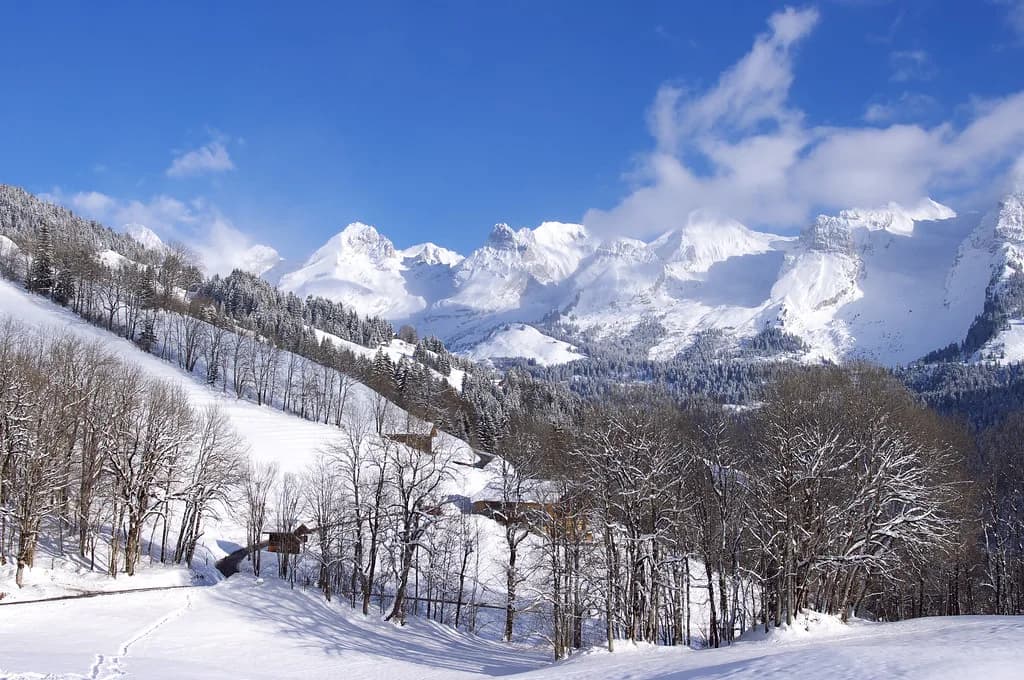
Le Grand-Bornand sells ski passes for a mid-sized Haute-Savoie area rather than for one enormous linked domain, which is why the coverage question comes before the price question. The local Grand-Bo pass covers the slopes above the old village and the satellite hamlet of Chinaillon, while an extended option reaches the neighbouring resort of La Clusaz across the Aravis valley. Get that boundary right first and the rest of the purchase usually falls into place.
This guide works through the practical sequence: coverage, duration, variants, booking windows and whether a bundled stay makes sense. Terrain sizes and altitude figures are treated as context rather than fixed specifications, because secondary sources disagree and operators update their own pages. Where a detail is not published, the guide says so and points you to where it is confirmed.
Why Your Base Decides Which Pass Fits
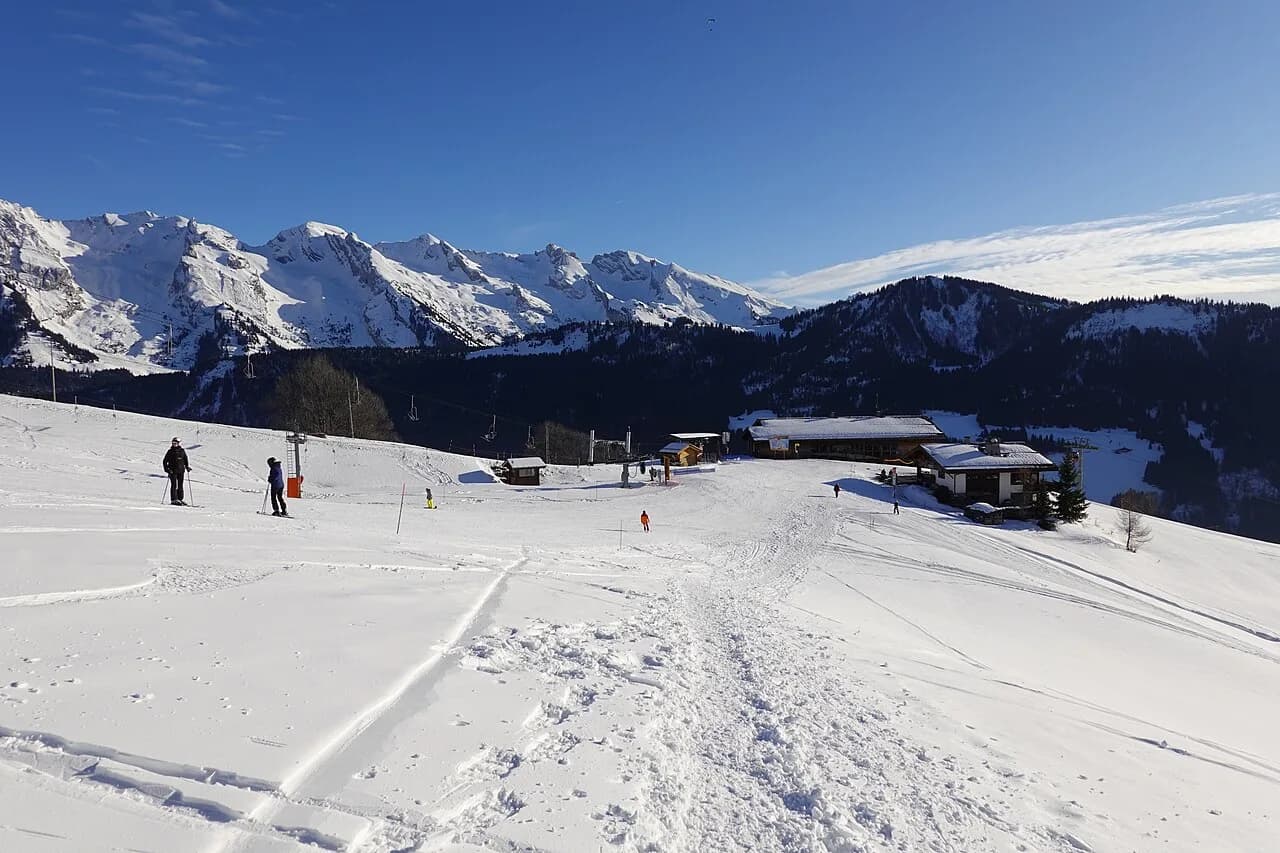
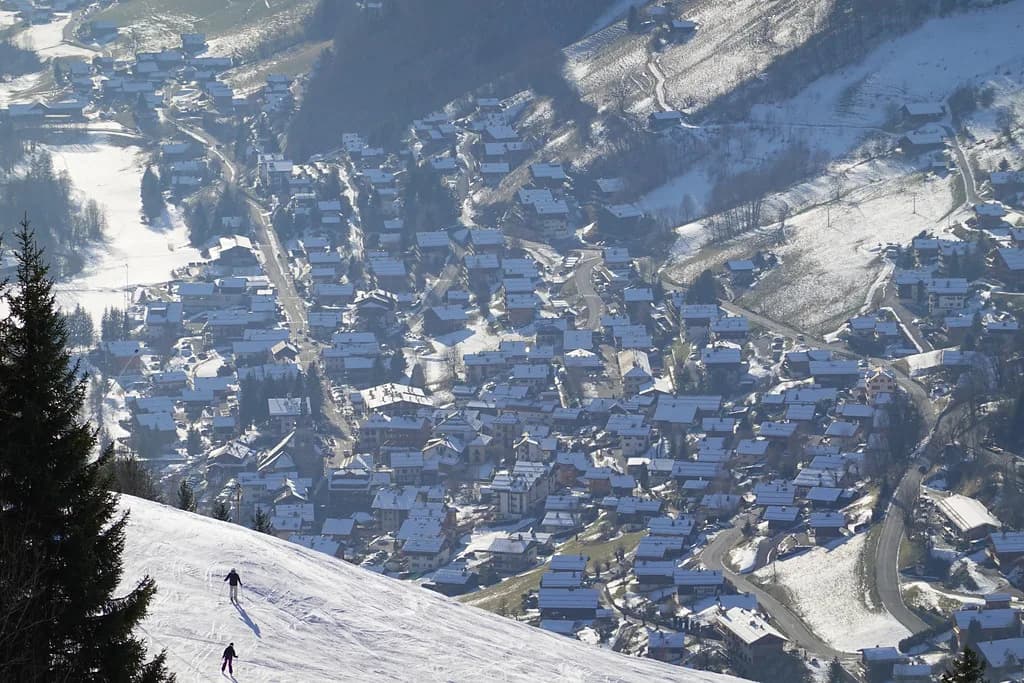
Le Grand-Bornand runs two distinct access points: the valley village around 1000m and the hamlet of Le Chinaillon roughly six kilometres up the valley. Both give you lift access, but they sit at different ends of the ski area, so your accommodation choice quietly sets how much time you spend traversing before you reach the runs you came for. Staying in the village puts you nearer the historic centre and its older chalets; staying in Le Chinaillon puts you closer to the heart of the pisted terrain.
That geography matters for pass choice because a short-break skier in Le Chinaillon can often work a local pass hard without ever feeling the boundary, whereas a group based in the village may prefer the flexibility of reaching further across the Aravis. Neither base is wrong; they simply weight the local-versus-extended decision differently. Look at the lift layout above each base before you buy anything, because the pass name alone will not tell you which lifts sit within walking or shuttle distance of your door.
Local Grand-Bo Coverage Versus an Extended Aravis Pass
The local Le Grand-Bornand area is widely described as around 90 km of pisted runs served by roughly two dozen lifts, with a spread of green, blue, red and black terrain that suits mixed-ability groups. An extended pass adds nearby La Clusaz, effectively doubling the terrain on offer and giving strong intermediates and advanced skiers considerably more to work with. The trade-off is straightforward: the wider pass costs more, and you need the appetite to travel between two resorts during your stay to justify it. If you are still weighing how much pass a bigger linked domain demands, our Alpe d'Huez Ski Pass guide shows how coverage tiers are framed elsewhere.
Because the exact extended coverage and product names change between seasons, treat any summary as a starting point rather than a confirmation. Le Grand-Bornand Tourisme publishes the season's alpine pass products and prices on its own pass pages, and that is where the current inclusions should be checked before you commit: for winter 2026-27 the alpine area opens pre-season on 5 and 6 December 2026, with continuous operation from 12 December 2026 to 11 April 2027, and published rates are guaranteed only to 8 September 2026. A short trip built around one base rarely justifies the wider product, while a full week with a car or a willingness to use the inter-resort link can make it the better value decision.
Matching Duration to Your Trip
Le Grand-Bornand sells alpine passes across a wide range of durations, from very short blocks measured in hours up to multi-day products and season passes. For a typical six- or seven-day trip, a multi-day pass is usually the simplest answer and removes the daily decision entirely. For a weekend or a trip split by weather or rest days, short blocks let you pay only for the time you actually ski, even though the per-day value is weaker.
Season products exist for residents or repeat visitors, but they only make sense if you will ski enough days locally to beat the multi-day route. The Le Grand-Bornand ski area lists the season's durations and variants on its alpine pass page, the only place that records what is being sold this winter. Last season's duration grid does not carry over: product ranges are republished each year rather than kept automatically.
Variants to Identify Before You Buy
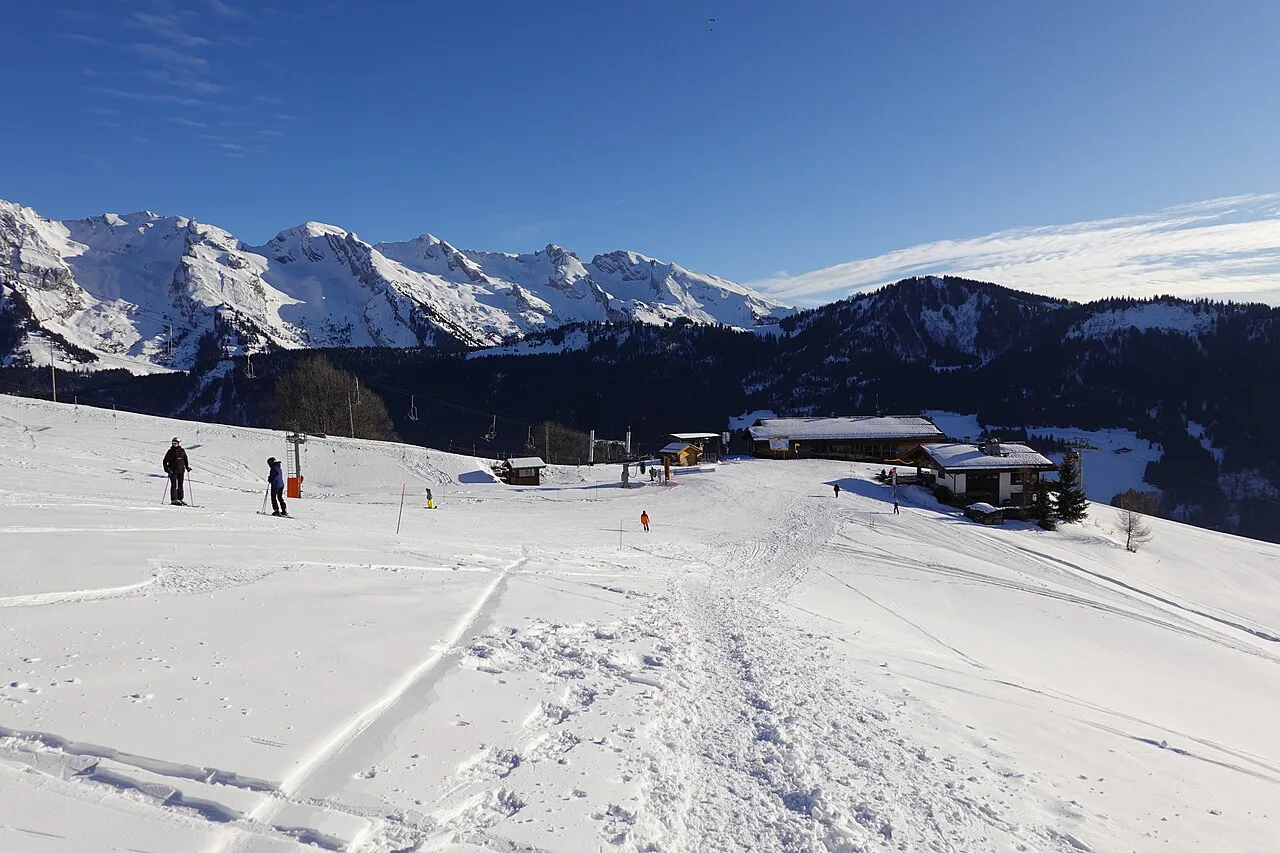
Beyond the standard adult pass, the resort documents several distinct variants: a youth package aimed at teenagers that bundles the pass with Ski + Bus access, pedestrian passes for non-skiing visitors who still want to ride lifts, handiski passes, and Magic Pass season products. These are separate products with their own terms, not automatic discounts applied at checkout. If your group includes a non-skiing adult, a teenager, or someone using adaptive equipment, identify the relevant variant before you price the trip.
The trap here is assuming that a family or child discount will appear automatically because the resort is marketed as family-friendly. What is documented is the existence of these variant categories, not a universal child-free or reduced-rate rule, and there is no evidence of pass collection, wristband, recharge or refund terms. Ask the lift company directly, or consult the pass page, rather than extrapolating from a package promotion you saw elsewhere.
Season Dates and Booking Windows
The alpine ski area has published a pre-season opening on 5 and 6 December 2026 followed by continuous operation from 12 December 2026 to 11 April 2027. That window is the period your pass is sold against, but it is a scheduled season rather than a guarantee: pre-season weekends and the Nordic area depend on weather and snow conditions, and individual lifts or links can be affected at any point. Plan your pass dates around the published window, then re-check conditions as your trip approaches.
Products and prices are republished each season rather than carried over, so a pass you priced last winter should be treated as out of date until you check it again. Le Grand-Bornand Tourisme has previously guaranteed published prices only to a set cut-off date, which is a signal that figures move. Consult the current alpine pass page before you assume any tariff, discount or product name, and note the date on which you checked.
Bundled Stays Versus a Standalone Pass
The tourist office promotes all-inclusive stays that fold accommodation together with ski passes, and in some cases lessons and equipment, into one package. These bundles are marketed through Le Grand-Bornand Tourisme's stay pages with headline discounts attached to the package as a whole. That is a different thing from an in-resort lift-pass discount: the percentage applies to the combined product, not to a pass alone, and it should not be generalised into a standalone saving on the pass desk.
Whether a bundle beats buying separately depends on how closely the included apartment, dates and equipment match what you would have chosen anyway. Packages suit travellers who want one booking, a fixed week and predictable costs; they suit less well anyone with a specific chalet, a split group or a desire to ski only part of the week. Compare the bundle against your own accommodation and a standalone multi-day pass before deciding, and read the included details rather than inferring them.
Plan Your Visit
Work the decision in order: choose your base, decide whether you need the extended Aravis coverage, then match duration and identify any variant that applies to your group. Check the current alpine pass page for the season's products and figures before you book, because names, inclusions and prices are republished annually. Once you have coverage and duration settled, the rest of the trip planning follows much more easily.
Frequently Asked Questions
Does a Le Grand-Bornand ski pass cover La Clusaz?
An extended Aravis product reaches La Clusaz, but the standard local pass covers only the Le Grand-Bornand area. Which extended options are sold changes between seasons, so check the current coverage on the operator's alpine pass page before buying.
How long can a Le Grand-Bornand ski pass last?
Durations range from short blocks measured in hours up to multi-day products and season passes. The exact duration grid is republished each season on the operator's alpine pass page.
When is the Le Grand-Bornand alpine ski area open?
The published alpine window runs from a pre-season opening on 5 and 6 December 2026, then continuously from 12 December 2026 to 11 April 2027. It is a scheduled season subject to weather and snow, so individual lifts or links may not open as planned.
Is a bundled all-inclusive stay cheaper than buying a pass separately?
Not automatically. Bundle discounts apply to the combined accommodation-and-pass package rather than to a standalone lift pass, so compare the package against your own accommodation and a multi-day pass, and check what each bundle includes.
Sources
Useful notes for your next ski trip
Optional updates to our Alpine resort guides.
You might also like
Continue reading
More guides you'll find useful
.jpg)
.jpeg)