Wengen Ski Pass: Which Ticket Fits Your Trip
Work out which Wengen ski pass suits your trip, from full Jungfrau coverage to shorter local tickets, and how the car-free village shapes your ski day.
On this page
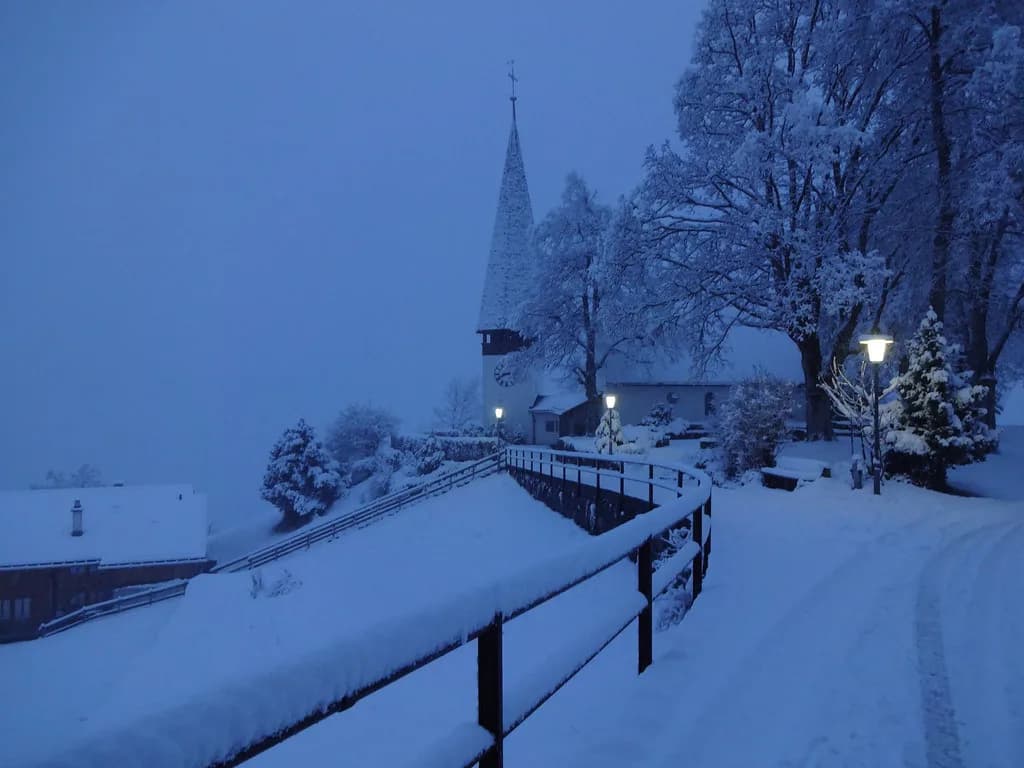
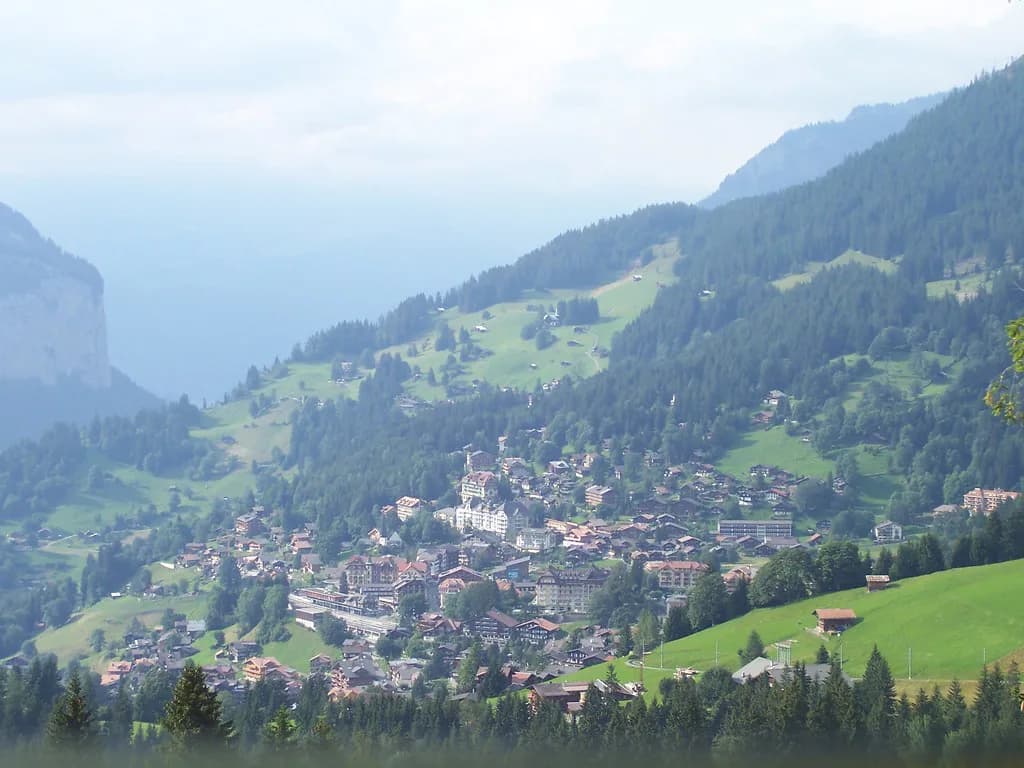
Wengen sits on a sunny terrace above Lauterbrunnen, and the lift pass you buy there opens far more than the slopes directly above the village. It is a Jungfrau region product covering Grindelwald-Wengen, Grindelwald-First and Mürren-Schilthorn, so choosing a pass is really a decision about how much ground you intend to cover in a week. This guide sets out the sectors, the terrain, the product structure and the logistics of buying and collecting in a village with no cars.
Start by being honest about your skiing. A first-timer who stays on the nursery slopes near the village needs far less coverage than an intermediate planning to link Männlichen, Kleine Scheidegg and First in a single day. Use the coverage and terrain sections below to match the pass to the plan, then read the buying and collection notes before you travel so your first morning is spent skiing rather than queueing.
What the Wengen ski pass actually covers
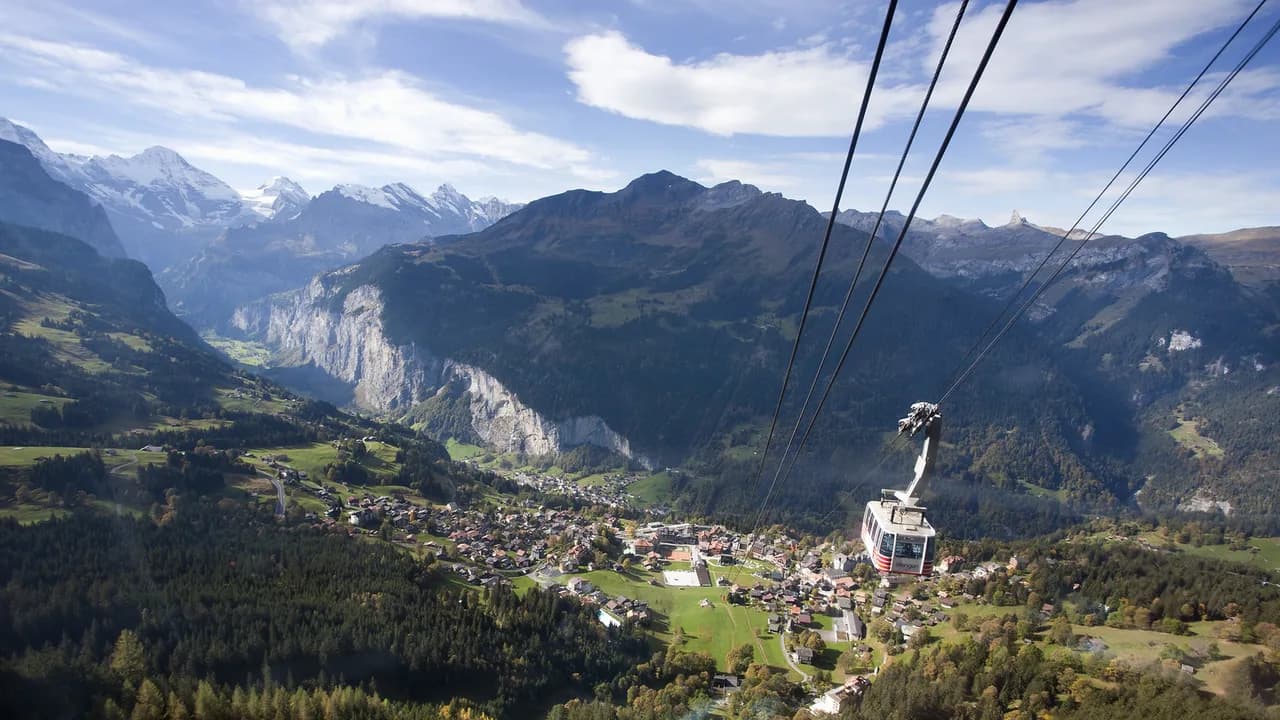
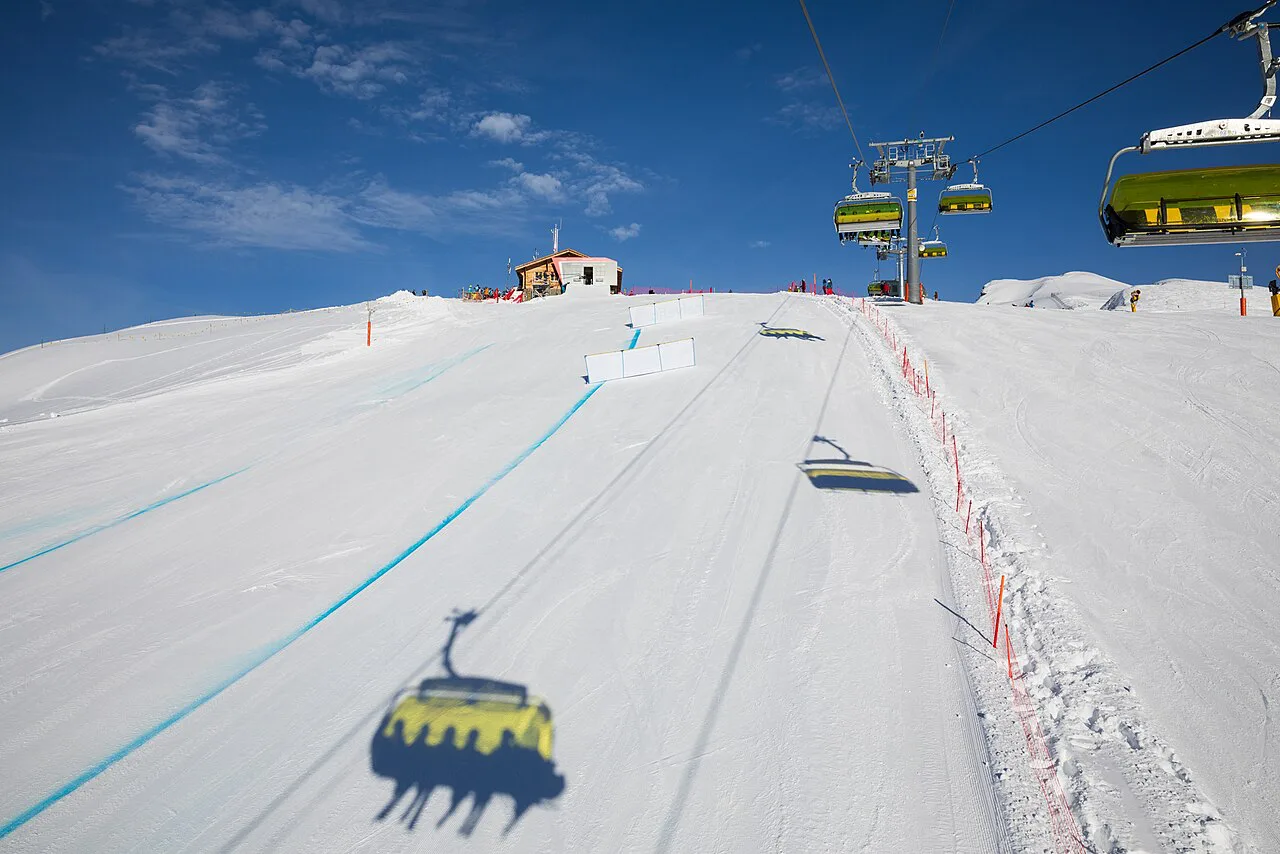
The pass is a Jungfrau region ticket. It covers the Grindelwald-Wengen sector around Männlichen and Kleine Scheidegg, the Grindelwald-First sector above Grindelwald, and Mürren-Schilthorn on the far side of the Lauterbrunnen valley. A gondola connection between Wengen and Grindelwald makes sector-hopping realistic within a normal ski day, which is why coverage matters more here than in a single-valley resort.
The region as a whole is usually quoted at roughly 206 to 211km of piste, a figure published by the regional lift company and repeated by the AlpsPass area listing, which describes the Jungfrau Ski Region as bringing together Grindelwald-Wengen, Grindelwald-First and Mürren-Schilthorn. Treat the exact number as approximate; what matters is that the network is large enough that a short pass will not do it justice.
Some passes are sold for the Wengen side only, and these can be good value if you plan to ski locally and never cross to First or Schilthorn. SwissPasses describes its Lauterbrunnen product as covering the full Jungfrau region including trains to Interlaken, but also notes that shorter, cheaper options exist in the area, so compare the coverage of each product before you commit. If you are weighing a single-resort ticket against the regional product, the Andermatt ski pass guide is a useful comparison for how resort-specific passes are structured.
The terrain in numbers
The Grindelwald-Wengen sector alone offers around 102km of piste between roughly 796m and 2,500m, and nearly 90 per cent of it is graded blue or red. That profile is why Wengen has a reputation as intermediate country: long, groomed cruising runs from Männlichen down towards Grindelwald and Wengen, with the Eiger north face as the backdrop throughout.
Beginners are not an afterthought. There are nursery slopes in the village itself and a dedicated children's area at Männlichen, around 2,232m, where wide, gentle pitches give new skiers room to turn. Snowmaking covers about 65 per cent of the region's pistes, which helps hold the early and late season together on the lower runs.
Experts gravitate to Kleine Scheidegg and the Lauberhorn course, the longest downhill on the World Cup circuit at about 4.5km, which is open to the public once the January race is over. Steeper black runs from Eigergletscher give sustained pitches, and the vertical drop of over 1,700m across the region makes for long descents that test legs as much as technique.
Which pass suits which skier
First-timers should resist the full-region pass for the first two or three days. Book lessons, stay on the village nursery slopes and the Männlichen beginner zone, and you will get more from a local or beginner product than from a ticket that gives you access you cannot yet use.
Intermediates are the group that benefits most from full Jungfrau coverage. The long blue and red runs off Männlichen and Kleine Scheidegg, including the roughly 10km descent from Kleine Scheidegg to Grindelwald, reward anyone who can link sectors, and the gondola link makes a Männlichen-to-First day genuinely practical. Buy the regional pass and use it.
Experts should also take full coverage. The Lauberhorn course after race week, the Eigergletscher steeps and the high-altitude terrain at First are spread across the region, and a Wengen-only ticket would cut you off from the best of them. Guided glacier descents from Jungfraujoch are a separate decision that involves a guide and proper equipment rather than the lift pass alone.
How many days to buy
Three days is the practical minimum for a region this size. One day goes to learning the Männlichen and Kleine Scheidegg runs, a second to crossing towards Grindelwald and First, and a third to returning to the parts you liked most. Anything shorter and you spend your time reading the piste map rather than skiing it.
For a one-week trip, buy six days and plan one rest day. Multi-day passes spread across the week usually cost less per ski day than a series of single-day tickets, and a six-from-seven arrangement gives you the flexibility to sit out a storm or a whiteout without losing value. Check the pass structure on the official Jungfrau site when you book, since day bundles and family variants change between seasons.
If you are skiing around a work schedule or a short city break, single days bought online the evening before work well and avoid committing to a pass you barely use. The trade-off is that you pay the full daily rate and lose the flexibility of a multi-day product.
Where to buy and how to collect
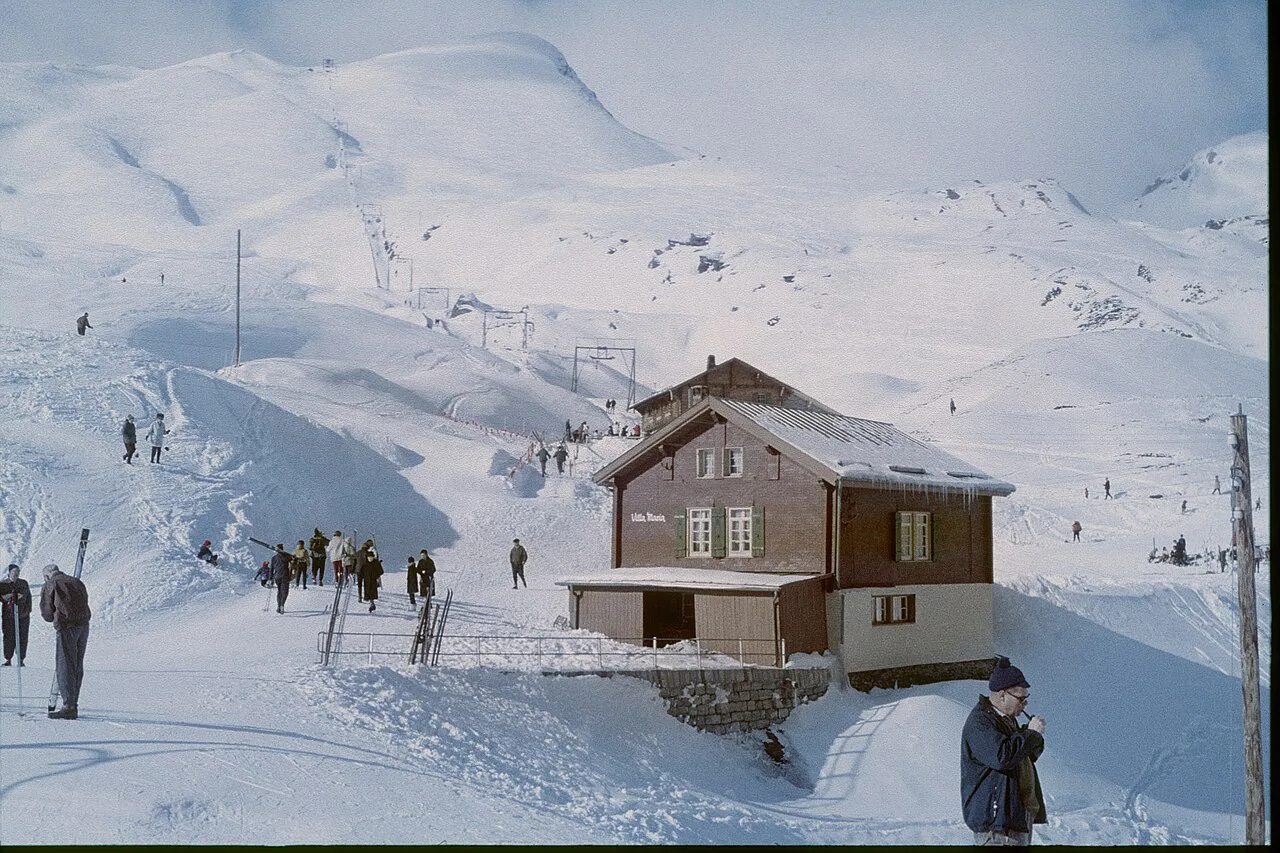
Buying online before you travel is the simplest route. SwissPasses, for example, sells Jungfrau lift passes on a three-to-fourteen-day range and lets you collect at any Jungfraubahnen ticket office using a code, which removes the need to queue at a desk on your first morning.
You can also buy at the ticket offices in Wengen and at Lauterbrunnen station. This is the better option if you are unsure about duration or want advice on products for children and beginners, but allow time on arrival day and expect queues during holiday weeks. Bring photo identification for pass products that require it and the payment card used for any online order.
Whichever route you take, check current prices and season dates on the official Jungfrau site before booking. Prices vary by season, age band and number of days, and the official site is the only reliable place to confirm what applies to your travel dates.
Pass products and add-ons
Passes are priced by age band, and the resorts in this region typically offer adult, youth, child and under-six categories, with the youngest skiing free. Family and multi-day variants exist but differ between seasons, so read the product description for your chosen dates; last year's structure may not carry over.
Sledging is a separate attraction. The region has around 50km of sledge runs, and the Eiger Run from Eigergletscher down to Grindelwald combines dramatic scenery with a gradient of about 36 per cent. Sledge hire and the train back up are usually paid separately, so a ski pass is not a sledging ticket.
Jungfraujoch, Europe's highest railway station at 3,454m, is a separate excursion rather than something a ski pass covers. If you want a non-ski day there, buy the rail ticket separately and keep your ski days for the slopes. The AlpsPass listing confirms that Wengen is not one of its partner areas, so do not expect those multi-resort benefits to apply here.
Ski school and hire logistics
Book lessons before you arrive, especially during school holidays. The Swiss Ski School Wengen and other local schools run group and private lessons for all ages, with English-speaking instructors and children's programmes based around the village and Männlichen. Package operators can add lessons to a booking, but direct booking gives you more control over start times.
Hire shops in Wengen carry skis, snowboards and boots for all abilities, and booking online ahead of arrival secures your size and saves time on the first morning. In a car-free village you will be carrying your own equipment from the station or hotel to the shop, so hire near your accommodation or near the lift you plan to use first.
Getting to Wengen and getting around
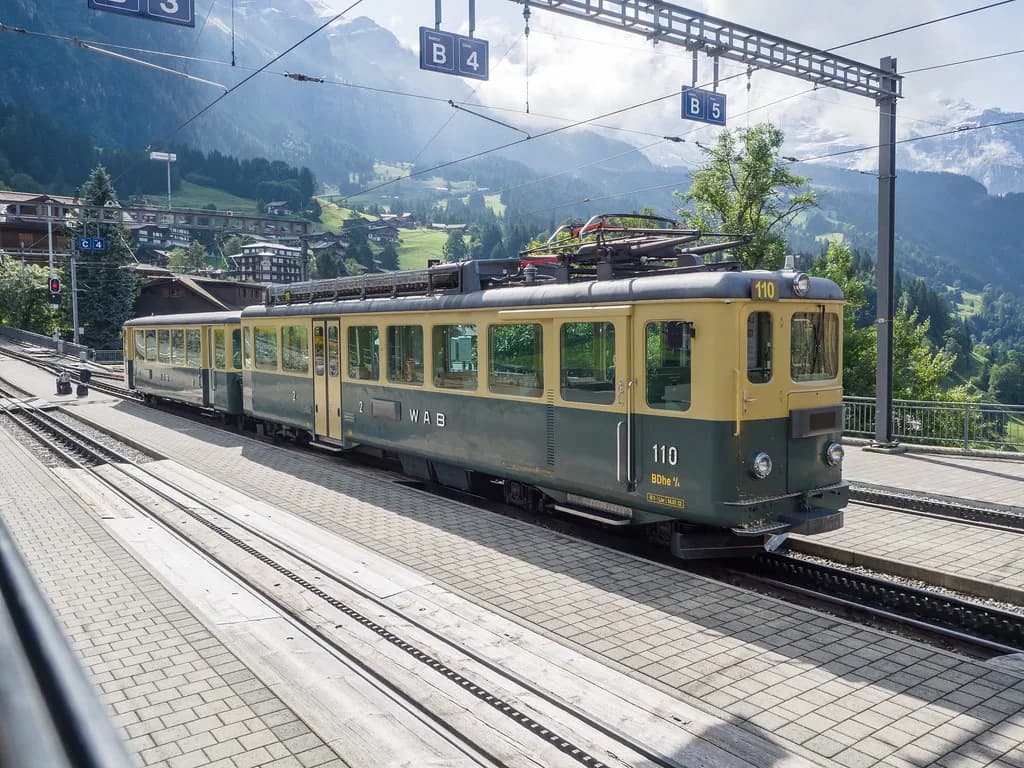
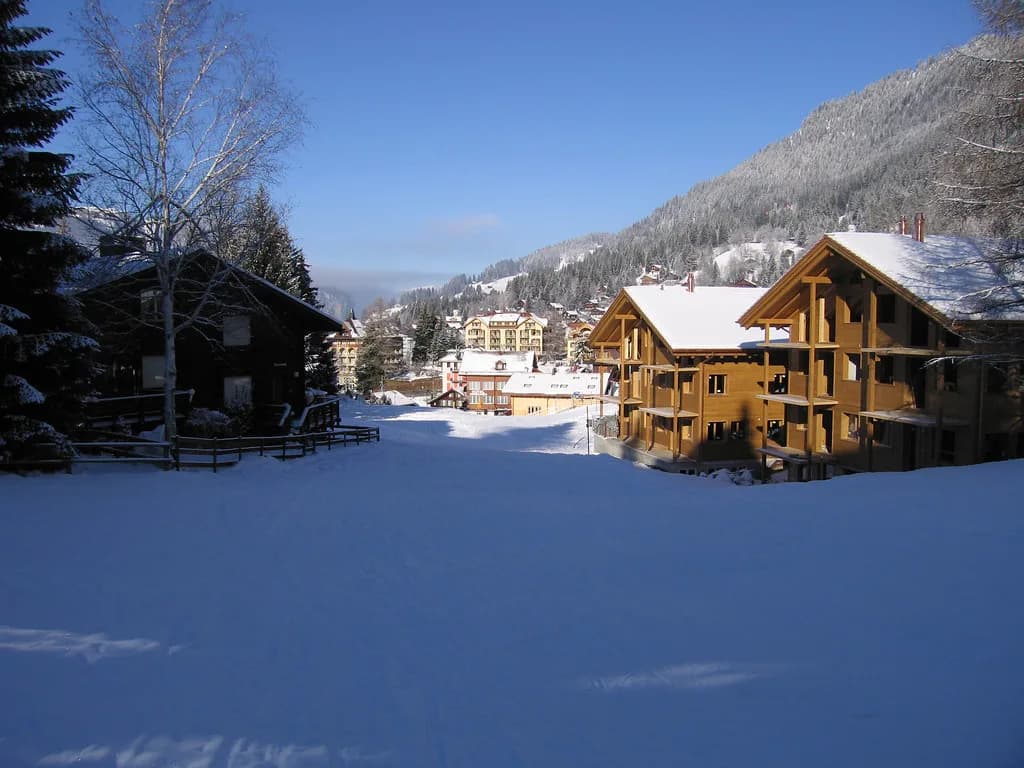
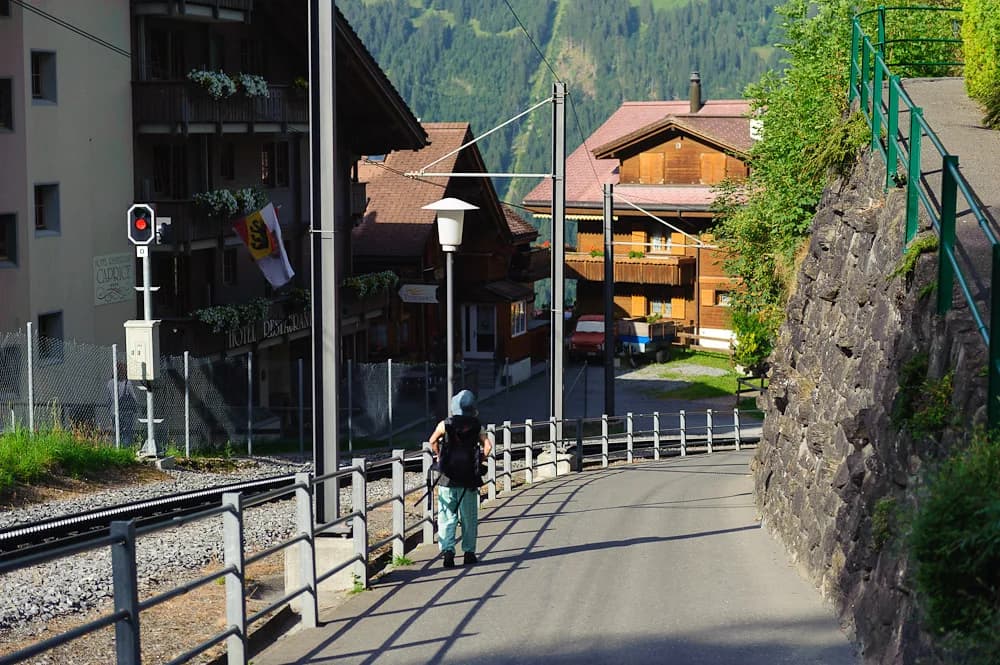
Wengen is car-free. You park in Lauterbrunnen and take the Wengernalpbahn cogwheel train up to the village, a climb of about 15 minutes, and from then on everything is on foot or by small electric vehicle. That changes arrival day: pack so you can move your own bags between train, station and hotel.
Indicative transfer times from WeSki put Basel airport at around two hours and Zurich at roughly two hours twenty minutes, with Geneva longer again. Treat these as planning guides rather than guarantees, and build in time for the rail leg from Lauterbrunnen, which runs frequently but is not instant.
Once in the village, the Männlichen gondola and the cog railway station are both within about ten minutes' walk of most accommodation. That compactness is why collection logistics matter: pick up your pass at the station end of the village on arrival, and your first morning starts on the lift rather than in a queue.
Rest days and season timing
The season typically runs from late November to April, though exact opening and closing dates vary by sector and by year. Higher terrain above Kleine Scheidegg holds snow later, so late-spring trips often mean skiing the upper lifts while lower runs soften or close. Check the official site for the dates that apply to your week.
Plan rest days around non-ski attractions rather than wasting a pass day. Jungfraujoch, the Lauterbrunnen valley waterfalls and the village's winter walking paths fill a day easily, and a six-from-seven pass leaves room for one of them without cost. If you are skiing a shorter trip, buy single days and keep the flexibility.
Late season changes the pass decision. If only the upper lifts are running, a full-region pass buys less than it would in January, and a shorter local product may be better value. Ask at the ticket office which lifts are open before you commit.
Plan Your Wengen Pass
For most skiers, the answer is straightforward: full Jungfrau coverage for six days out of seven. That gives you Männlichen, Kleine Scheidegg, First and, on a clear day, Schilthorn, with a rest day built in. Beginners should buy shorter and local at first, then upgrade once lessons are paying off.
Sort the purchase before you travel, collect at the station on arrival, and keep your first morning free for the Männlichen gondola. Confirm the current prices, season dates and product variants on the official Jungfrau site before you book, and the rest of the planning falls into place.
Frequently Asked Questions
Does a Wengen ski pass cover Grindelwald and Mürren?
A full Jungfrau region pass covers Grindelwald-Wengen, Grindelwald-First and Mürren-Schilthorn. Shorter local products may restrict you to the Wengen side, so check the coverage of the specific product before you buy. A gondola link between Wengen and Grindelwald makes sector-hopping practical within a day.
Where do I pick up my Wengen lift pass?
If you buy online, you collect at any Jungfraubahnen ticket office using the code issued with your order. You can also buy in person at the ticket offices in Wengen and at Lauterbrunnen station. Arriving by cogwheel train from Lauterbrunnen, the station end of the village is the convenient place to collect.
How many ski days do you need in the Jungfrau region?
Three days is the practical minimum to cover Männlichen, Kleine Scheidegg and First without rushing. For a week-long trip, six days out of seven gives you full coverage plus a rest day for Jungfraujoch or the valley. Shorter trips are better served by single or two-day tickets.
Is a full pass worth it for beginners?
Not at first. The village nursery slopes and the Männlichen beginner area are enough for the first few days, and a local or beginner product costs less than full regional coverage. Upgrade once you can link blue runs confidently and want to explore further.
When does the Wengen ski season run?
The season typically runs from late November to April, with the higher terrain above Kleine Scheidegg holding snow later than the lower runs. Exact opening and closing dates vary by sector and year, so confirm them on the official Jungfrau site for your travel week.
Are sledging and Jungfraujoch included in the ski pass?
No. Sledge hire and the train back up are usually paid separately, and the Jungfraujoch railway is a separate excursion ticket. Budget for these as add-ons and keep your ski days for the slopes.
Sources
Useful notes for your next ski trip
Optional updates to our Alpine resort guides.
You might also like
Continue reading
More guides you'll find useful