Is Val d'Isère Good for Intermediate Skiers? An Honest Guide
Val d'Isère suits confident intermediates best: high-altitude cruising is superb, but the runs back to the village are steep. Here is how to plan around it.
On this page
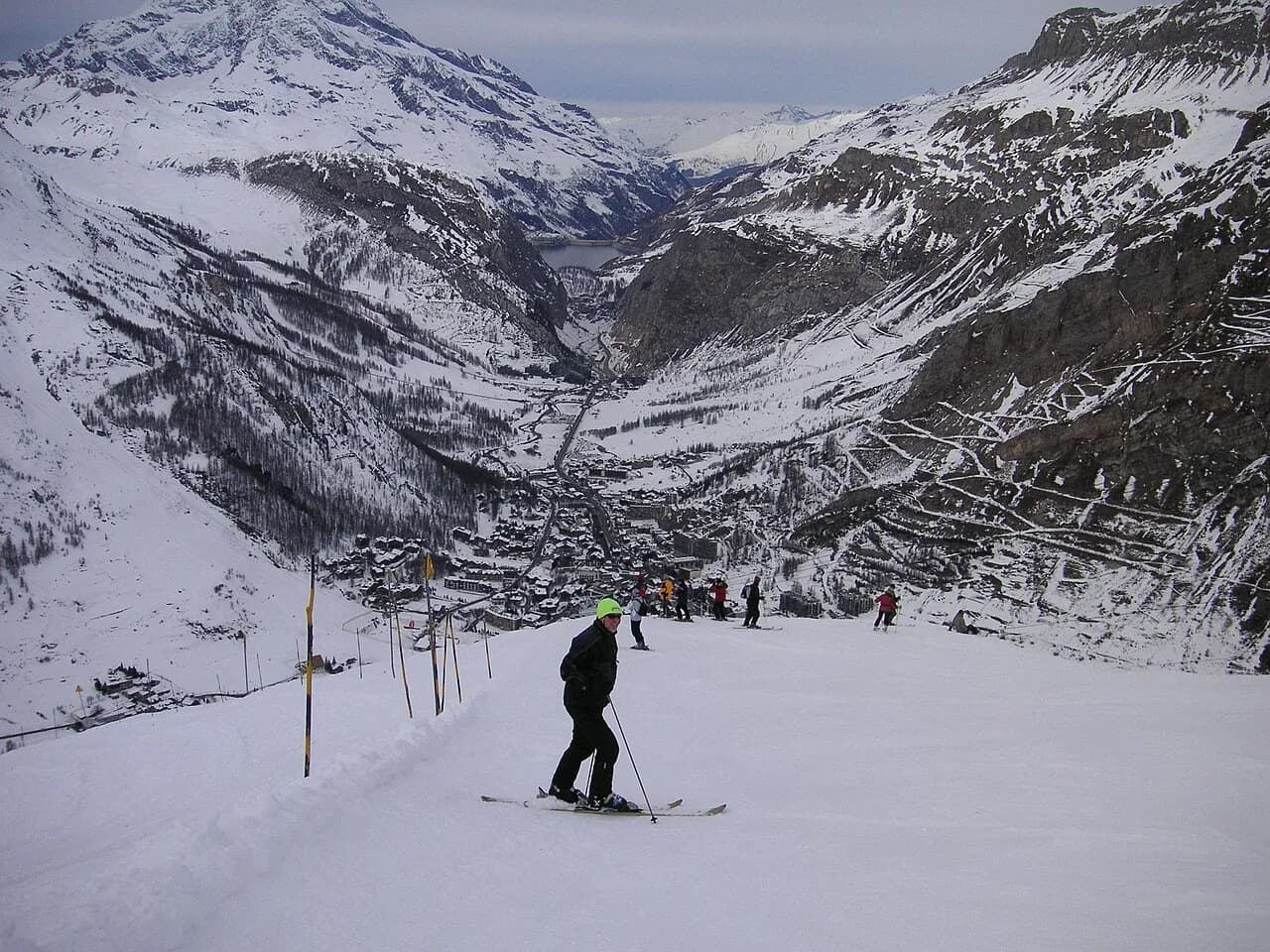
Val d'Isère has a reputation as a playground for steep and deep skiing, and that reputation is earned. But the Espace Killy also holds mile upon mile of blue and easy red terrain, mostly above the mid-stations, where intermediates can cruise all day. The dividing line is not whether you can ski blues; it is whether you are happy on the steep, often mogulled runs back into the village.
This guide sets out which sectors suit cruising intermediates, which runs mark the step up, and how the shared ski area with Tignes changes the maths. It is aimed at skiers planning a week and choosing where to base themselves, not at beginners booking their first holiday. For the wider resort picture, the Val d'Isère Skiing Guide covers the village, travel and non-skiing side.
Quick Answer: How Well Does Val d'Isère Suit Intermediates?
For a confident intermediate who is happy on reds and wants mileage, Val d'Isère is one of the best choices in the Alps. The resort's own skiing covers 150km, and the full Espace Killy shared with Tignes covers 300km, spread between 1,550m and 3,455m. That gives you altitude for snow reliability and enough terrain to avoid repeating runs for a week. The same figures appear in the Val d'Isère Skiing overview and in Le Chardon's intermediate guide.
The caveat is the descent home. There are no blue runs down to the village, and Val d'Isère's colour grading reads a notch harder than many French resorts: a blue here can feel like a red elsewhere, and a red like a black. If you are a cautious intermediate who prefers wide, forgiving pistes from top to bottom, base yourself somewhere with gentler valley runs or plan to finish your day high and take a lift down.
The Espace Killy at a Glance
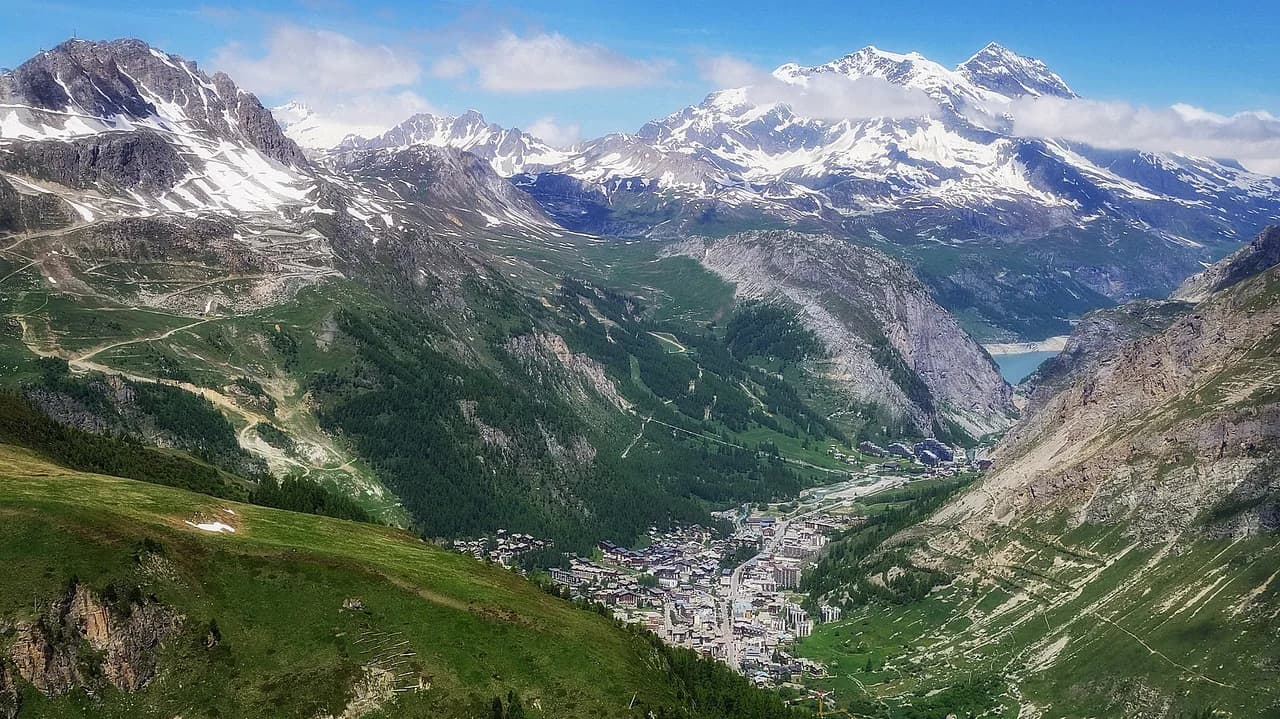
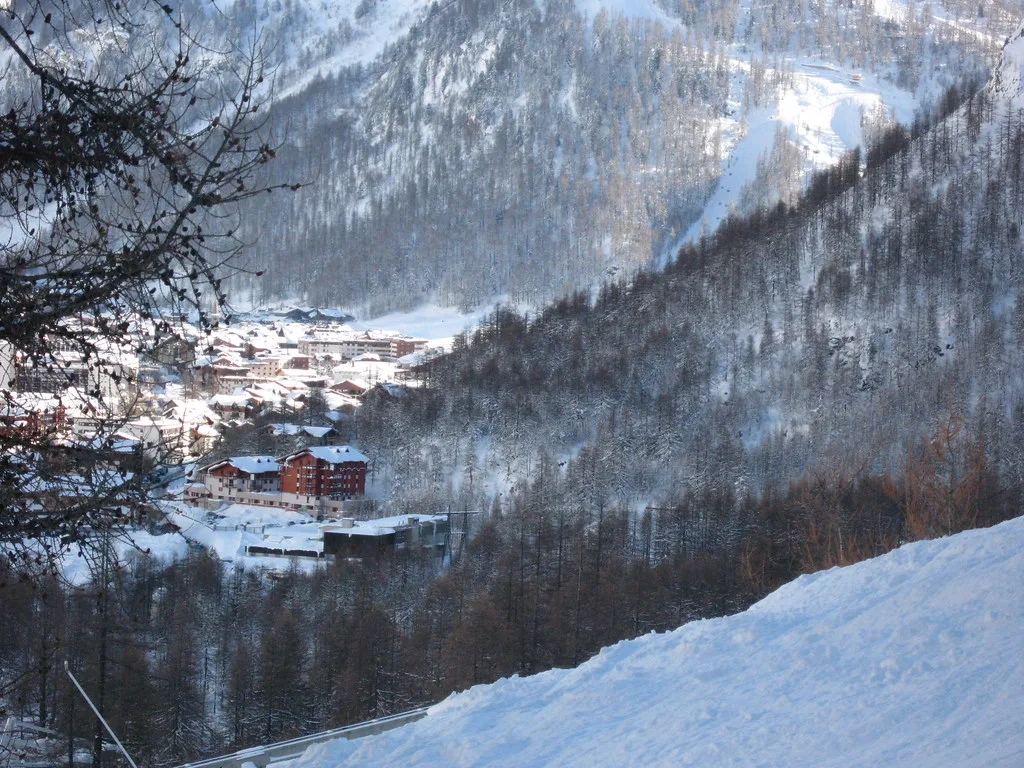
Val d'Isère sits at 1,850m in the Savoie, at the end of a valley that closes seasonally at the Col d'Iséran. Its own three sectors are Solaise, Bellevarde and Fornet, and together with Tignes they form the Espace Killy. About 60% of the skiing is above 2,500m, which is why the snow record is among the best in the Alps, supported by Europe's largest snow-making operation.
Le Chardon's guide puts it slightly differently, citing 900 snow cannons covering 40 per cent of the ski area. Either way, the practical point for an intermediate is that snow cover is rarely the limiting factor; visibility and wind on the upper mountain are the more common disruptions. The lift network is fast and queues are uncommon outside peak weeks.
The Three Val d'Isère Sectors and How to Reach Them
Solaise and Bellevarde both lift directly from the village centre, which makes them the default morning choice. Bellevarde is also reachable from La Daille, the purpose-built satellite at the lower end of the valley, and links onward to Tignes. Fornet is the third sector, reached either from valley level at Le Fornet and Le Laisinant or from altitude via Solaise; at its top sits the Glacier du Pissaillas, which stays open into early summer.
That layout matters for intermediates because the easiest way to string a day together is to work high and stay high. Lift back down at the end of the day rather than forcing the valley runs when legs are tired. The piste map is worth studying before you travel, because the sector names and lift links are not obvious from the village street.
Why the Top Half of the Mountain Is Where Intermediates Cruise
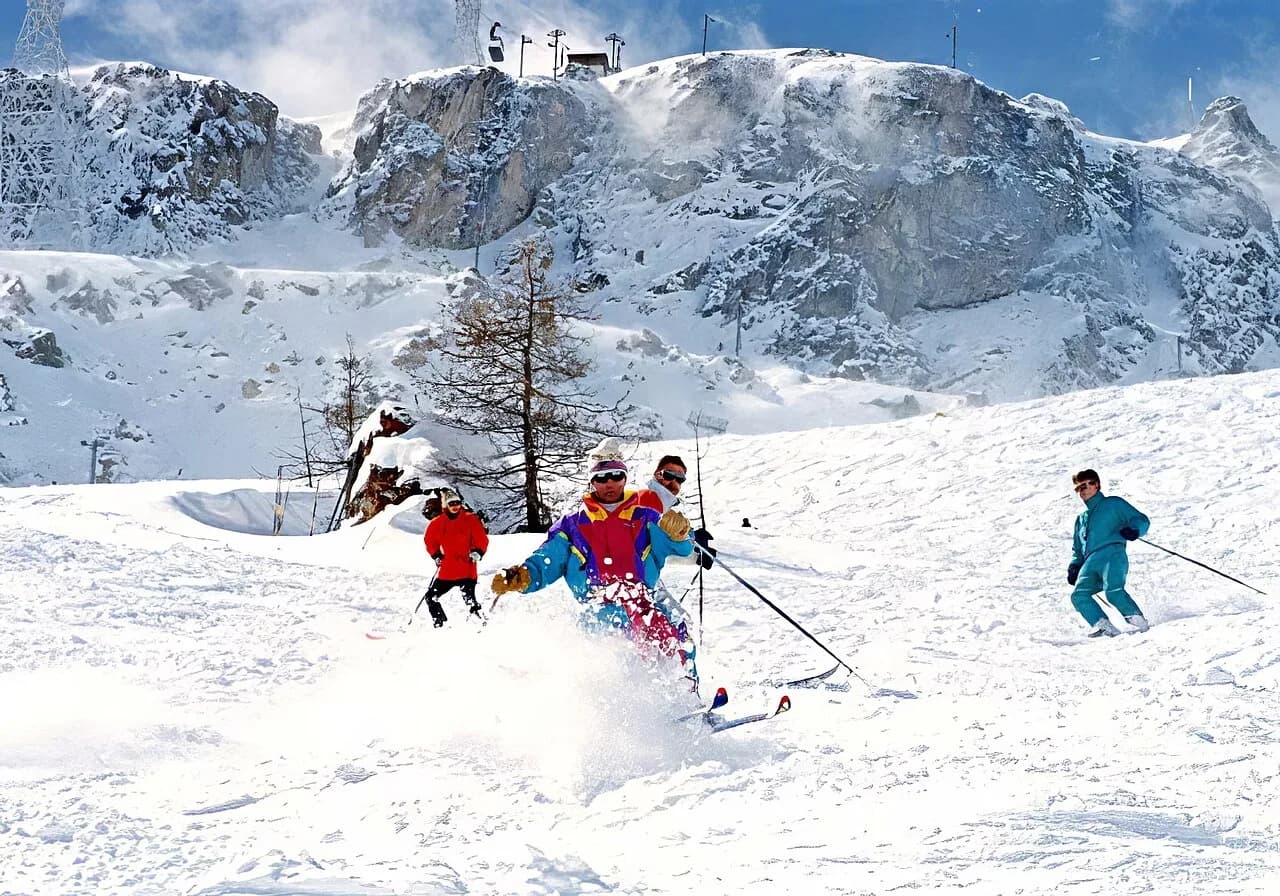
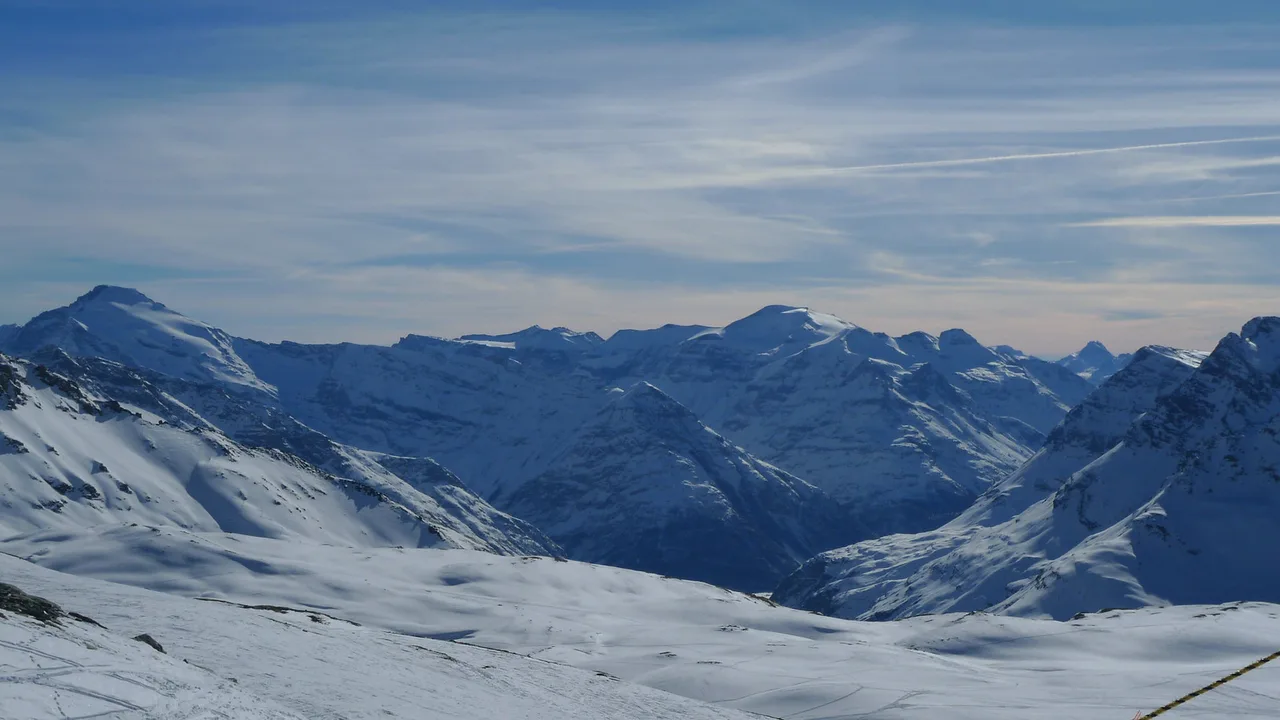
In every sector, the easiest skiing tends to sit on the upper half of the mountain, and the steepest terrain, on-piste at least, is lower down. That is the key structural fact for intermediate planning. It means you can build a full day of blue and easy red cruising without ever tackling a valley descent, provided you are prepared to ride a lift back to resort at the close.
The best snow away from the glaciers is often in the higher parts of Solaise, especially around the Glacier chair, and in the upper Bellevarde runs below the Marmottes and Borsat chairs. Those are the zones to target on warmer afternoons or after a dry spell. If visibility closes in, La Daille offers about 400m of lightly wooded slopes, though you must cross open terrain to reach them.
Easy Intermediate Terrain: Madeleine, Borsat and Fornet
Three zones do most of the work for cruising intermediates. On Solaise, the runs served by the Madeleine chair are straightforward, with a green warm-up; on Bellevarde, the gentlest runs are beneath the Borsat chair; and the Fornet sector holds some of the easiest intermediate terrain in the resort. None of these will scare a skier comfortable on gentle blues.
If you want to build confidence, spend the first morning alternating the Madeleine greens and blues, then move across to the Borsat area after lunch. Fornet is the quieter option and is worth a full day if you like long, uncrowded pitches. A local instructor's itinerary often links these zones in a morning, starting on the Madeleine and moving across the mountain as the day warms up.
Classic Step-Up Runs: OK, Laisinant, Cascade and Arcelle
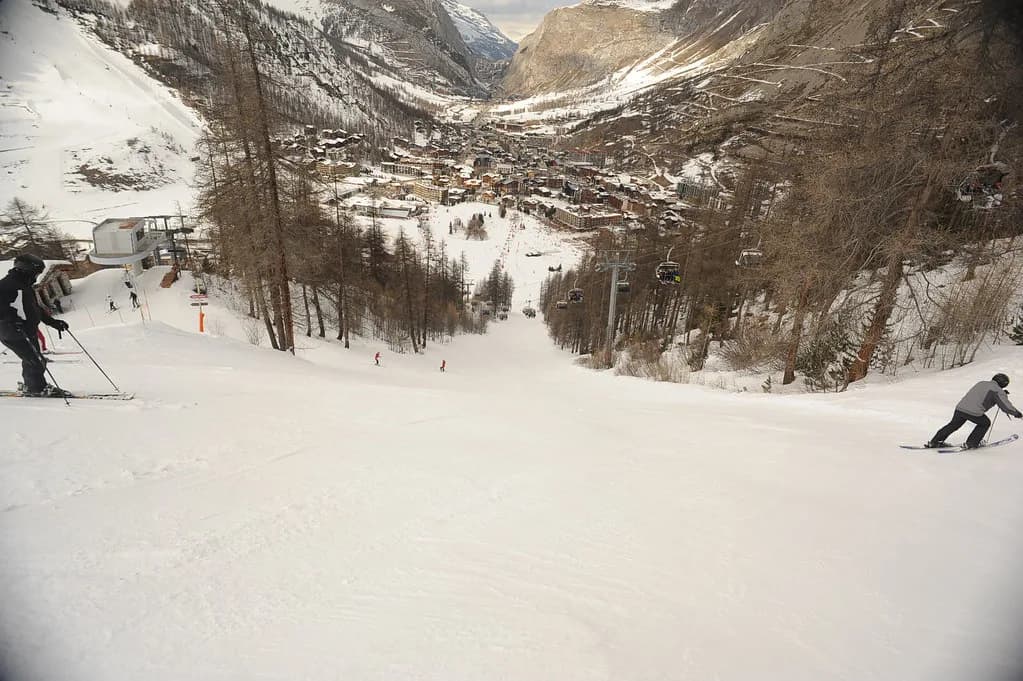
Once the cruising feels comfortable, Val d'Isère has a set of classic reds that mark the step up without requiring off-piste. The best known is the OK, the red downhill from Bellevarde to La Daille; the famous Face, which hosted the 1992 Olympic downhill, has a near-1,000m vertical from the top of Bellevarde into the village and is often heavily mogulled lower down. The long Laisinant red runs from Solaise to Le Laisinant, and the red from the top of the glacier to the Cascade chair is a long, rewarding descent.
For a longer challenge, the Arcelle is a long, rolling red that drops into the lonely Manchet valley, reached via the Datcha chair. Le Chardon's guide suggests descending it before the lift links back up to the Madeleine. Skiing these early in the day, before they are chewed up, makes a real difference to how manageable they feel.
The Home-Run Problem and the Lift-Back-Down Workaround
The single biggest planning issue for intermediates in Val d'Isère is getting back to the village. There are no blue runs down to resort, and the valley descents are steep and often mogulled. Strong intermediates enjoy them; cautious ones do not. The workaround, mentioned in both source guides, is that every sector has a lift you can ride back down to base if the runs below are beyond your comfort zone.
The practical routine is to decide your exit point before your last run of the day, not after. If the snow is hard or the light is flat, take the lift down rather than discovering a mogul field at 4pm. That single habit removes most of the anxiety cautious intermediates feel in this resort.
Terrain Grading in Val d'Isère Versus Other French Resorts
Val d'Isère's colour grading is not the same as in many other French resorts. The rule of thumb quoted by ski journalists is that a green here reads like a blue elsewhere, a blue like a red, and a red like a black. Even a comfortable blue skier will find some local blues more demanding than expected. Reading the piste map with that adjustment in mind prevents nasty surprises.
The upside is that the resort's blues and greens at altitude are genuinely easy skiing, without hidden traps. If you plan your day around the upper mountain and avoid the valley descents until you are ready, the grading difference rarely bites. Pair the map with a guide or instructor on day one if you want to calibrate quickly; the Val d'Isère Ski Map guide explains the layout further.
A Sample Intermediate Day Linking Solaise, Fornet and Bellevarde
A route described by Progression Ski and Snowboard School's Ken Smith starts on Solaise with a warm-up on the green Madeleine, then takes the Glacier chair for the Glacier and Plan Milet descent. From there, banked Piste L leads to the valley bottom and the Laisinant chair into Fornet. A coffee stop at Le Signal, then the Pyramides chair and the Petit Bois blue continue the day.
The same route then climbs toward the glacier for the Pissaillas blue or Moraine red, before returning to Solaise via the Cema and Leissieres chairs. The Leissieres is known locally as the Up and Over, crossing the ridge between the two ski areas; it offers great views but is not one for those scared of heights. Finish via the Arcelle and the Manchet Express, or take the Madeleine back down, depending on energy and conditions.
Ski Schools and Guiding for Intermediates Looking to Progress
A morning with a local instructor or guide is the fastest way to calibrate to Val d'Isère's grading and lift layout. Several schools operate in the resort, including Progression Ski and Snowboard School, whose itineraries are quoted in the source guide. Group lessons suit skiers who want mileage and technique work; private lessons suit those who want to be shown the step-up runs safely.
Book lessons before you travel in peak weeks, when the best instructors fill earliest. Off-piste guiding is standard practice for anyone leaving the marked runs, and the resort has extensive lift-served off-piste that is best approached with a professional. That said, intermediates can have a full and satisfying week without ever leaving the pistes.
Lift Pass Products and Where to Buy Them
The lift pass you need is the Espace Killy pass, which covers both Val d'Isère and Tignes; a Val d'Isère-only product also exists for shorter stays. Buying ahead online typically saves queuing at the lift stations, and the official resort site publishes current products and prices.
For intermediates staying a week, the shared pass is the better value because it opens up Tignes terrain for day trips. Shorter stays may not justify the premium if you plan to stay in Val d'Isère's three sectors. Decide before you buy, because upgrading mid-week is rarely cheaper than buying the right pass at the start.
When to Go: Season Length and Snow Reliability
Val d'Isère's season runs roughly from November to May, one of the longer seasons in the Alps, though exact opening and closing dates vary each year. The altitude, the north-facing slopes and the snow-making mean cover is rarely the issue; late-season skiing on the upper mountain is genuinely possible. The Val d'Isère ski season dates page explains the pattern further.
For intermediates, the best window is usually late January to March, when the upper blues and reds are in good condition and the lift system is running fully. Avoid the peak school-holiday weeks if you want quieter slopes and easier access to lessons. Check the official site for current season dates before booking travel.
Linking into Tignes: What the Shared Pass Adds
The Espace Killy pass adds Tignes terrain that is just as rewarding for intermediates, with the best starting from the Grande Motte glacier. Linking the two areas is straightforward from Bellevarde, which has direct connections into Tignes. The trade-off is time: crossing between resorts eats into your skiing day, so pick one direction per day rather than trying to cover both.
If you are staying a week, allocate at least one full day to Tignes and check the return lifts before committing. The shared pass is the one to buy if you want that flexibility. The Val d'Isère ski pass guide sets out the product options.
Verdict: Who Should Book Val d'Isère?
Book Val d'Isère if you are a confident intermediate who is happy on reds, wants high-altitude cruising and values snow reliability. The upper sectors of Solaise, Bellevarde and Fornet deliver exactly that, and the lift-back-down option makes the valley descents optional rather than compulsory.
If you are a cautious intermediate who wants gentle runs back to the village, Tignes or a lower, more forgiving resort will suit you better. If you want the challenge of steep home runs and access to world-class off-piste with a guide, Val d'Isère is hard to beat. Decide which of those you are before you book, and the resort will deliver.
Frequently Asked Questions
Is Val d'Isère good for intermediate skiers?
Yes, for confident intermediates. The resort has extensive blue and easy red terrain on the upper mountain across Solaise, Bellevarde and Fornet, plus the shared Espace Killy area with Tignes. The caveat is that the runs back to the village are steep and often mogulled, so cautious intermediates should plan to ride a lift down at the end of the day.
Are there easy blue runs in Val d'Isère?
Yes, but mostly at altitude. The Madeleine area on Solaise, the Borsat chair zone on Bellevarde and the Fornet sector hold the gentlest terrain. There are no blue runs down to the village itself, and the resort's grading reads harder than many French resorts, so a local blue can feel like a red elsewhere.
Where do intermediates ski in Val d'Isère?
Cruising intermediates should base themselves on the upper mountain: the Madeleine chair on Solaise, the Borsat area on Bellevarde and the Fornet sector. For step-up runs, the OK red to La Daille, the Laisinant red and the glacier red to Cascade are the classics. Ski them early in the day before they get cut up.
How do you get back down to Val d'Isère village if the runs are too steep?
Take a lift back down. Every sector has a lift you can ride to base, so you can finish your day high and avoid the steep valley descents entirely. Decide your exit point before your last run rather than after, especially in poor light or hard snow.
Is Val d'Isère better for intermediates than Tignes?
It depends on your confidence. Val d'Isère has more varied step-up terrain and better access to off-piste, while Tignes has more forgiving runs back to resort in places. Confident intermediates will prefer Val d'Isère; cautious ones may find Tignes easier. The shared Espace Killy pass lets you try both.
How long is the Val d'Isère ski season?
Roughly November to May, one of the longer seasons in the Alps, though exact dates vary by year. The high altitude and extensive snow-making mean cover is rarely the limiting factor. Check the official resort site for current season dates before booking travel.
Do you need a guide to ski off-piste in Val d'Isère?
Yes. The resort has extensive lift-served off-piste, and hiring a qualified guide is standard practice for anyone leaving the marked runs. Intermediates can have a full week on the pistes without going off-piste, and should build confidence there first.
Sources
Useful notes for your next ski trip
Optional updates to our Alpine resort guides.
You might also like
Continue reading
More guides you'll find useful