Obergurgl Ski Season: Dates, Snow Record and What to Book
Plan around the Obergurgl ski season: how the linked area is laid out, why altitude stretches the winter, and which weeks and passes to book early.
On this page
Obergurgl sits at the head of the Ötztal in Tirol, and its reputation rests less on a single opening date than on a high-altitude ski area that holds snow across a long winter. Planning a trip here means thinking in weeks rather than in one season start: pre-Christmas quiet, a January lull, February half-term pressure and a spring tail behave very differently. This guide treats the Obergurgl ski season as a calendar you can plan against, while keeping daily lift hours and live conditions separate from the published season.
What the Obergurgl Ski Season Means in Practice
Obergurgl-Hochgurgl markets itself on altitude and snow reliability rather than on size, and that shapes how you should read the season. The skiing sits high enough that the resort can usually stretch its winter from early December into late spring, but the exact opening and closing days are set each year by the lift company. Treat the season as a window that is broadly predictable in shape and specific in date only once the resort publishes it.
That distinction matters when you book. A resort season date tells you when lifts are scheduled to run; it does not tell you which runs are open, how deep the snow is or whether a warm spell has closed a sector. Build your trip around the weeks you want, then confirm the current season's published dates and daily lift hours on the official site before you commit to accommodation.
Obergurgl Versus Hochgurgl: Choosing Your Base
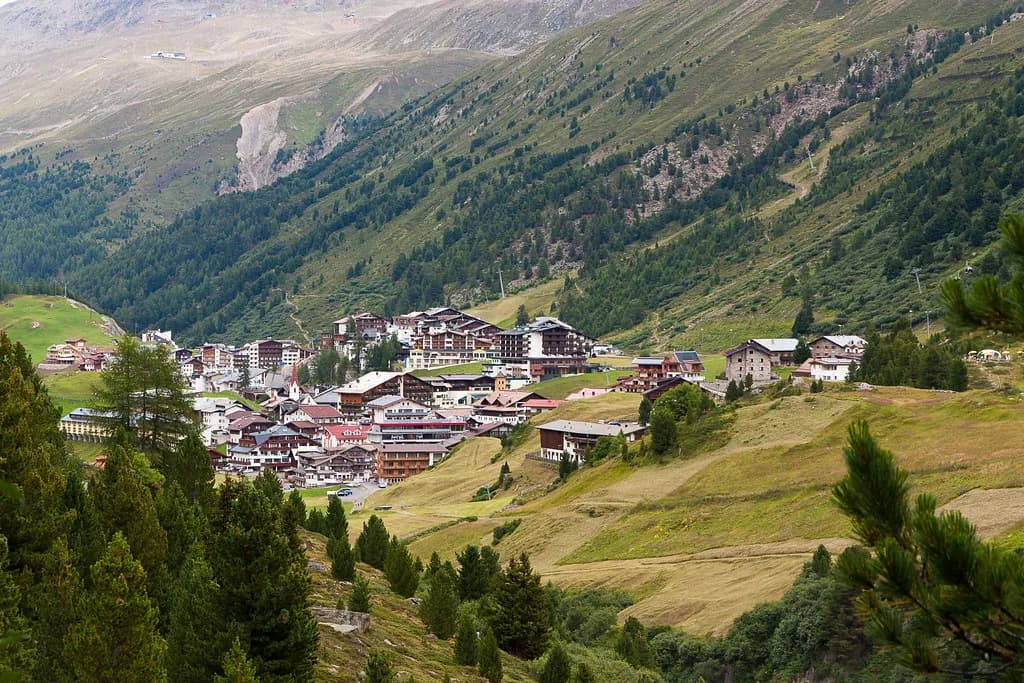
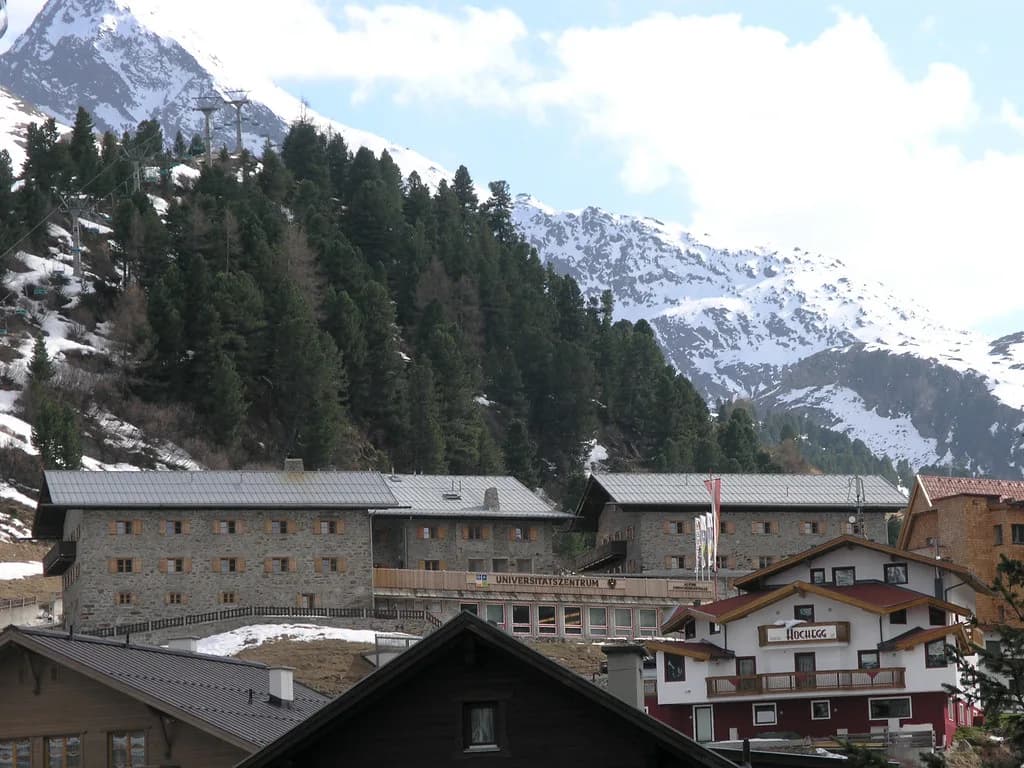
The ski area links two villages at different heights, and the choice between them is the first real decision of the trip. Obergurgl is the larger, busier base, with the main village centre, most of the hotels and the easiest access to beginner slopes and ski school meeting points. Hochgurgl sits higher up the valley and feels quieter, which suits skiers who want to step out of the accommodation and onto the snow with fewer people around.
The trade-off is convenience against calm. Obergurgl gives you shops, restaurants and a short walk to the lifts; Hochgurgl gives you altitude and a more secluded feel, but a thinner choice of evening options. If you are travelling with a mixed group that includes non-skiers or young children, Obergurgl's facilities usually make the days easier; if your priority is early access to the upper pistes, Hochgurgl earns its premium.
Season Shape Month by Month
December opens the season with the resort's quietest skiing. The weeks before Christmas are typically the least crowded of the winter, and the run-up to the holidays is when the first big booking wave arrives. If you want space on the pistes and lower accommodation rates, aim for early to mid-December and accept that not every run or lift may be open yet.
January is the classic lull. School holidays have ended across most of Europe, the resort is calm, and the snow base built up over December is usually at its most reliable. This is the month to target if you want the best balance of price, space and piste quality, though the short daylight hours mean you should plan your day around the lifts closing earlier than in spring.
February brings half-term pressure from the UK and much of Europe, and it is the month that fills first. Accommodation and ski school places tighten, and the pistes are at their busiest, especially around the main lifts in Obergurgl. If you have fixed school dates, book as soon as the season's dates are confirmed; if you have flexibility, late January or early March gives you similar snow with far fewer people.
The spring tail is where Obergurgl's altitude pays off. March and into April usually offer longer days, warmer terraces and softer snow, and the upper slopes hold up well even when lower runs start to thin out. Late-season skiers should expect some lower-altitude runs to close first, so plan to spend your time on the higher sectors and check which lifts are still scheduled to run.
Altitude and Snow Record: How to Read the Season
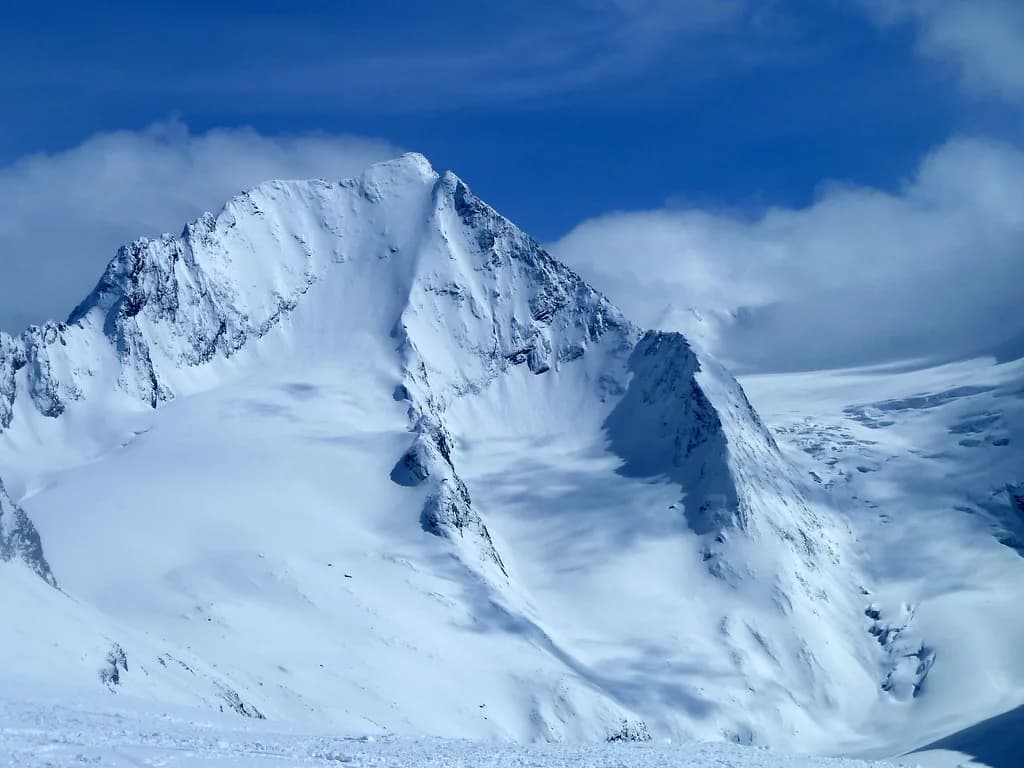
The ski area climbs well above the tree line, and that height is the single biggest reason Obergurgl can sell a long winter rather than a short festive break. Higher slopes stay colder for longer, so snow that falls in December tends to survive into spring, and the resort can often open earlier and close later than valleys further down. The cost is exposure: wind and cloud can close upper lifts quickly, so a snow report matters more here than a season date.
Read a snow report as a snapshot of what is open today, not as a forecast for your week. Look for the number of lifts and kilometres of piste actually open, the depth at two different altitudes, and the timestamp on the report. A season date tells you what the resort plans; a live report tells you what you will ski.
The Ski Area in Numbers
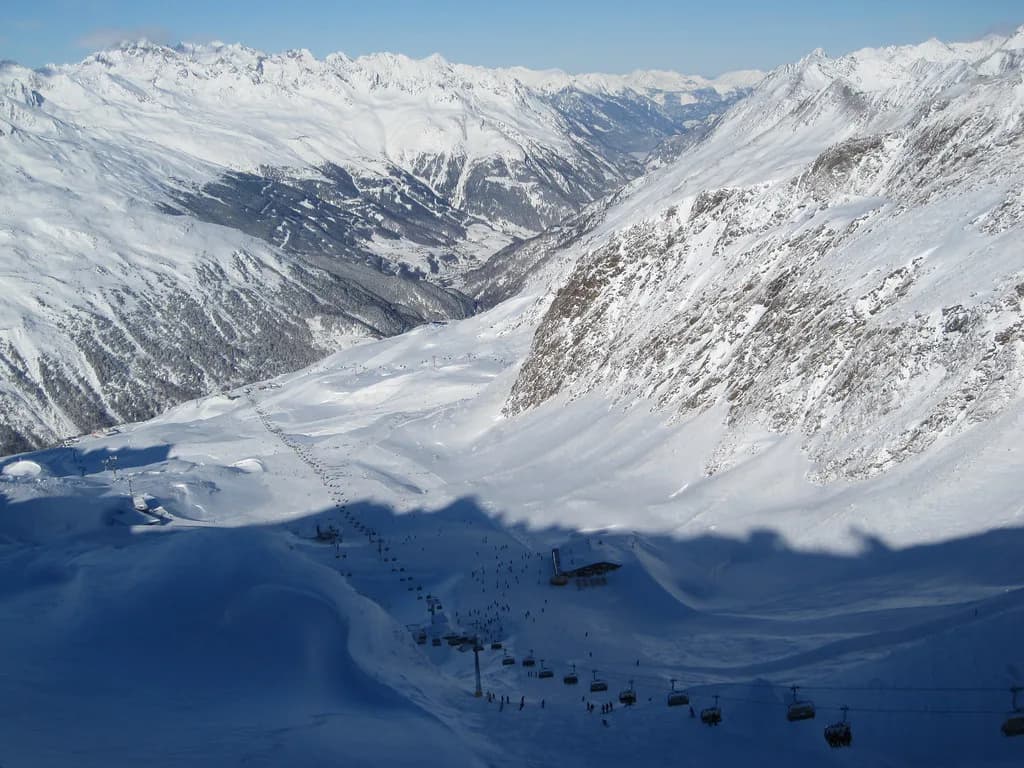
Third-party listings put the linked Obergurgl-Hochgurgl area at roughly 112 kilometres of groomed piste served by around 25 lifts, with runs rising to high altitude above both villages. Treat those figures as approximate rather than official: the resort's own published piste map and lift list are the numbers to trust when you are planning a day. For a week's skiing, that size is comfortable rather than vast, which means you can learn the whole area quickly and still find a favourite run.
Named Sectors and Runs to Plan a Day Around
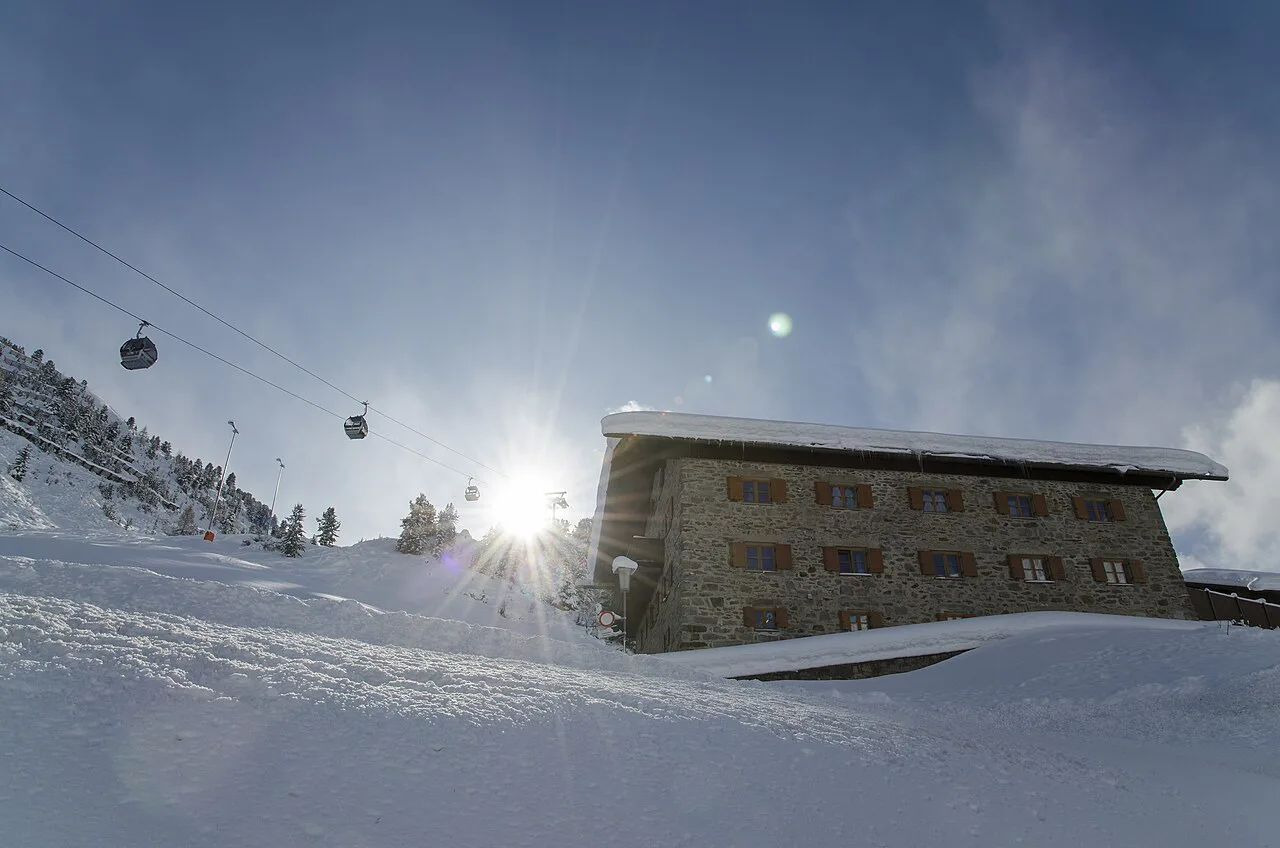
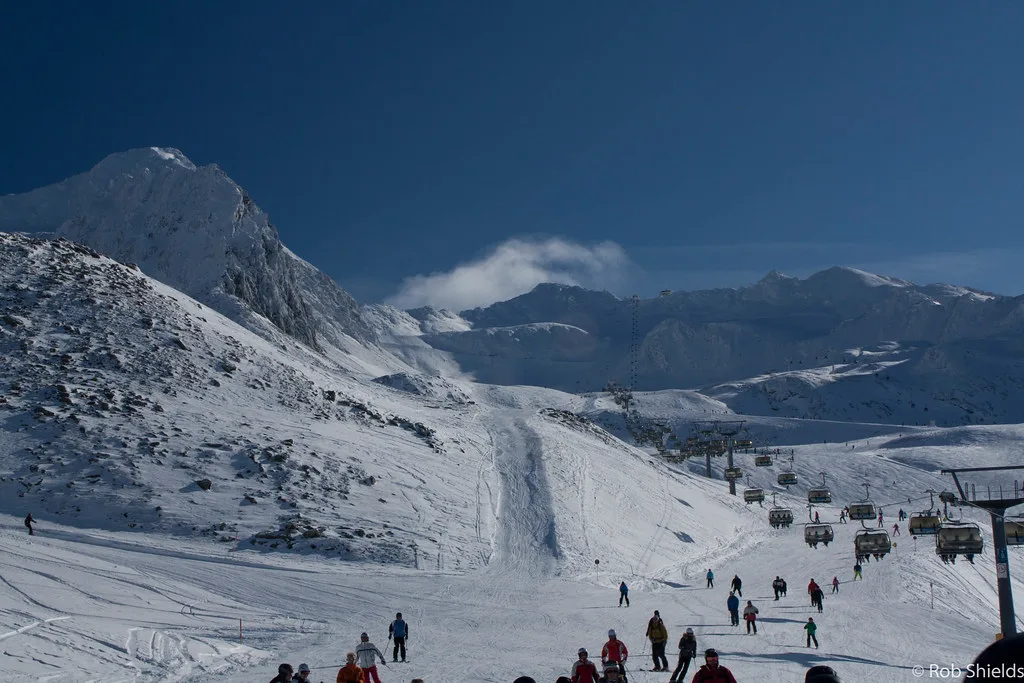
The Rosskarbahn above Obergurgl is the natural starting point for the day, and the Festkogl area gives access to some of the resort's most reliable upper skiing. Beginners are best served by the gentle slopes around the Obergurgl village side, where the ski school meeting points and nursery areas sit. Stronger skiers should head first for the higher links towards Hochgurgl and the runs beneath the Top Mountain Star, where the snow holds best and the views open up.
A sensible day uses the lift system to move between the two villages rather than skiing the same sector twice. Start on the Obergurgl side while the snow is firm, cross towards Hochgurgl for the middle of the day, and return to Obergurgl for the final runs as the lower slopes soften. Hohe Mut Alm makes a good lunch stop on the Obergurgl side, and the mountain restaurants around Hochgurgl suit a quieter break.
If you are new to the resort, the beginner zones are worth a morning before you commit to the longer runs. A first-trip plan built around the nursery slopes and a couple of gentle blue runs will feel less rushed than trying to cover the whole linked area on day one.
Lift Passes: Which Product to Buy
The core product is the Obergurgl-Hochgurgl pass, which covers the linked area and the lifts above both villages. Night rides on the Rosskarbahn and Hochgurglbahn are included in your ski pass, so if you plan to ski in the evening you do not need a separate ticket unless you are skiing without a day pass. Buy online before you travel where the resort offers a discount, and collect or load your pass at the ticket office or machine on arrival.
The wider Ötztal Super Ski Pass is the alternative for skiers who want to explore beyond the valley head. It covers six resorts, around 90 mountain lifts and more than 360 kilometres of piste across the Ötztal, so it only makes sense if you plan several days away from Obergurgl-Hochgurgl. For a week based in one village, the local pass is simpler and usually the better value.
If you ski without a pass, the resort sells an evening ticket for the night-skiing sessions. Rates change season to season, so check the official ticket page for the current evening and day prices rather than relying on last winter's figures.
Night Skiing and Night Tobogganing
The published programme puts night skiing in Obergurgl on Mondays, with the Rosskarbahn running from 6:30 p.m. to 10:00 p.m. and the last ascent at 9:30 p.m. Hochgurgl runs its night session on Thursdays, with the Hochgurglbahn operating from 6:30 p.m. to 9:30 p.m. and the last ascent at 9:00 p.m. The Festkogl umbrella bar opens for the Obergurgl session, and a bad-weather session moves to the Tuesday.
Treat these as a midweek anchor rather than an afterthought. Ski a normal day, rest in the late afternoon, then use the evening session as a second, shorter ski block. Night tobogganing on the illuminated tracks is the alternative for non-skiers or anyone who wants a break from the lifts, and it fits the same evening window.
Ski Schools and Rental
Book ski school before you travel, especially for February and the Christmas holidays. Group lessons fill fastest at those pinch points, and private instructors are limited in number, so early booking protects your preferred times. For beginners, a morning lesson followed by an afternoon practising on the nursery slopes is the most effective pattern in Obergurgl.
Rental is more forgiving. There are hire shops in both Obergurgl and Hochgurgl, and you can usually collect equipment on arrival rather than reserving weeks ahead. If you want a specific ski model or boot size, reserve online before you travel; otherwise, arriving a day early to fit boots and skis is the lower-stress option.
Getting There and Getting Around
Obergurgl is at the end of the Ötztal, which means the last stretch is a mountain road rather than a motorway. By car, you drive up the valley from the Inntal and park in the resort; by train, the nearest main-line stations are in the Inntal, with a bus connection up the valley. By plane, Innsbruck is the closest airport, with Munich and Zurich as longer but often cheaper alternatives.
Once you are in resort, the local Skibus network connects Obergurgl and Hochgurgl and the lift stations, so you do not need a car for daily skiing. The buses are the practical way to reach the Hochgurgl lifts if you are staying in Obergurgl, and they run through the day rather than only at peak times. Check the current timetable on the resort's site if you are relying on a late bus after night skiing.
Accommodation Timing and the Booking Trade-off
Christmas, New Year and February half-term fill first, and they fill early. If you are tied to school holidays, book accommodation as soon as you have fixed your dates, and expect the best-located hotels in Obergurgl to go before the cheaper options. January and early December are the weeks where you can wait a little longer and still find good rooms.
The base you choose changes the booking puzzle. Obergurgl's convenience comes at a premium and sells out faster; Hochgurgl's quieter setting is easier to book and suits skiers who value the snow over the village. If you are weighing up cost, the timing of your week matters more than the village you pick.
A Season-Planning Cheat Sheet
Families with school-age children should target February half-term and book everything early, accepting the crowds in exchange for reliable snow and a full programme of lessons. Quiet piste-hunters should aim for mid-January, when the resort is calm and the snow base is at its most established. Late-season skiers should look at March and early April, staying high and checking which lifts are still running before booking.
If you are comparing the Obergurgl calendar with other Austrian resorts, the same logic applies: published season dates set the frame, live reports tell you what to expect. Comparing the Kaprun ski season dates shows how a glacier resort can stretch its winter differently from a high-altitude valley head like Obergurgl. A week in the wrong week costs more than a week in the right one.
Where to Confirm Dates and Lift Hours
The official Obergurgl-Hochgurgl site is the place to confirm the current season's exact opening and closing dates, daily lift hours and night-skiing programme. The season dates, lift hours and evening sessions are published there, and they are the figures to use when you book. For a wider view of the resort's pistes, passes and sectors, the Obergurgl skiing guide sets out how the area fits together.
Check the official season page shortly before you travel, because the resort can adjust opening and closing days depending on snow and demand. Once you have your dates, book accommodation and ski school first, then hire and passes closer to arrival. That order keeps the fixed parts of the trip secure while leaving the flexible parts open.
Plan Your Obergurgl Ski Week
Obergurgl rewards planning by week rather than by season. Pick January for space, February for family dates, and March for a longer spring tail, then confirm the current season's exact dates and daily lift hours on the official site. Choose Obergurgl for convenience and Hochgurgl for quiet, buy the local pass unless you plan to roam the Ötztal, and book ski school early if you are travelling in a peak week.
Frequently Asked Questions
When does the Obergurgl ski season start and finish?
The resort publishes its exact season dates each year, usually stretching from early December into late spring. Check the official Obergurgl-Hochgurgl site for the current season's opening and closing days, and use the live snow report to see which lifts are running on your dates.
Is Obergurgl good for early-season and late-season skiing?
Yes, because the ski area sits high enough to hold snow across a long winter. Early December and the spring weeks into April usually offer skiing when lower resorts have less cover, but the number of open runs varies, so check the live report before booking.
How many kilometres of piste does Obergurgl-Hochgurgl have?
Third-party listings put the linked area at roughly 112 kilometres of piste served by around 25 lifts, with high-altitude runs above both villages. Treat those figures as approximate and use the resort's published piste map for planning.
Is the Obergurgl lift pass the same as the Ötztal Super Ski Pass?
No. The Obergurgl-Hochgurgl pass covers the linked area above the two villages, including night rides. The Ötztal Super Ski Pass is a wider product covering six resorts and around 90 lifts across the valley, so it only makes sense if you plan several days away.
Can you ski at night in Obergurgl?
Yes. The published programme puts night skiing in Obergurgl on Mondays with the Rosskarbahn running into the evening, and in Hochgurgl on Thursdays with the Hochgurglbahn. Night rides are included in your ski pass, and a bad-weather session moves to the Tuesday.
Where should you stay, Obergurgl or Hochgurgl?
Obergurgl suits families and mixed groups because the village has more facilities and the easiest access to beginner slopes. Hochgurgl is quieter and higher, which suits skiers who want early access to the upper pistes and a calmer base.
When should you book Obergurgl for February half-term?
As soon as your dates are fixed. February half-term is the first week to fill, and the best-located hotels and ski school places go early. January and early December are more forgiving if you have flexibility.
How do you get to Obergurgl without a car?
Take the train to the Inntal and a bus up the valley, or fly into Innsbruck and use a shuttle or bus connection. Once in resort, the local Skibus network connects Obergurgl, Hochgurgl and the lift stations, so you do not need a car for daily skiing.
Sources
Useful notes for your next ski trip
Optional updates to our Alpine resort guides.
You might also like
Continue reading
More guides you'll find useful