
Megève Ski Season: Dates, Snow Cover and When to Book
Plan the Megève ski season around three mountains, 325km of pistes and low-altitude snow risks, so you pick the right week and the right pass.
On this page
Megève is a traditional Haute-Savoie town rather than a purpose-built station, and that shapes its season. The village sits at 1,100m, the summit reaches roughly 2,355m, and the lifts serve three separate mountains, so what is skiable in December is not what is skiable in April. Understanding that layout is the single most useful thing you can do before you commit to dates.
The resort publishes a winter opening period each year, but daily lift operations depend on snow cover and weather. Treat the season dates as the plan and the real-time ski map as the reality. This guide covers how the terrain is arranged, how each part of the winter behaves, which pass to buy and how to build a week that works for a mixed group.
Quick answer: when the Megève ski season runs and what shapes it
Megève's winter generally spans from early December to mid-April, with the exact dates published by the lift company before each season. The official ski-map page carries the season's opening dates and detailed lift openings, and it is the only place worth trusting for the current winter. Outside those dates the lifts do not run, whatever the snowline looks like.
What shapes the season more than the calendar is altitude. Snow Magazine puts the resort at 1,100m with a summit just over 2,300m, and notes the terrain is grassy, so a modest snowfall goes a long way. That helps early cover on the upper slopes, but it also means lower runs back to the village are the first to suffer in a thaw. Plan your week around the mountain you intend to ski, not the town you sleep in.
How the ski area is laid out: Rochebrune, Mont d'Arbois, Le Jaillet and the Mont Joly side
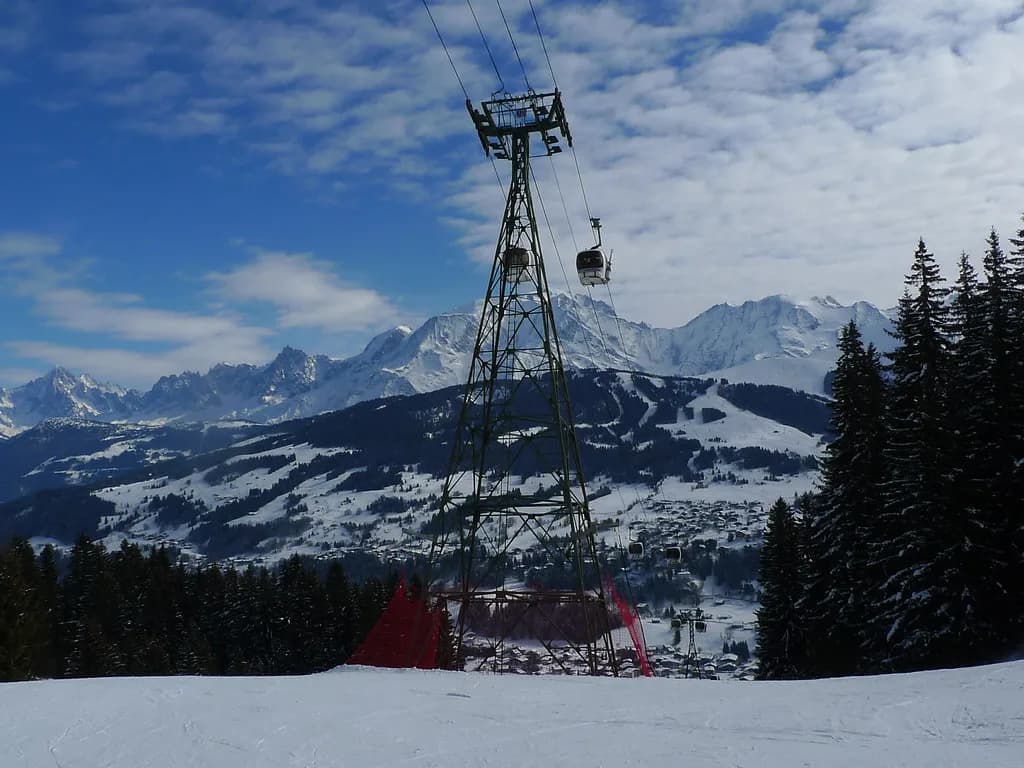
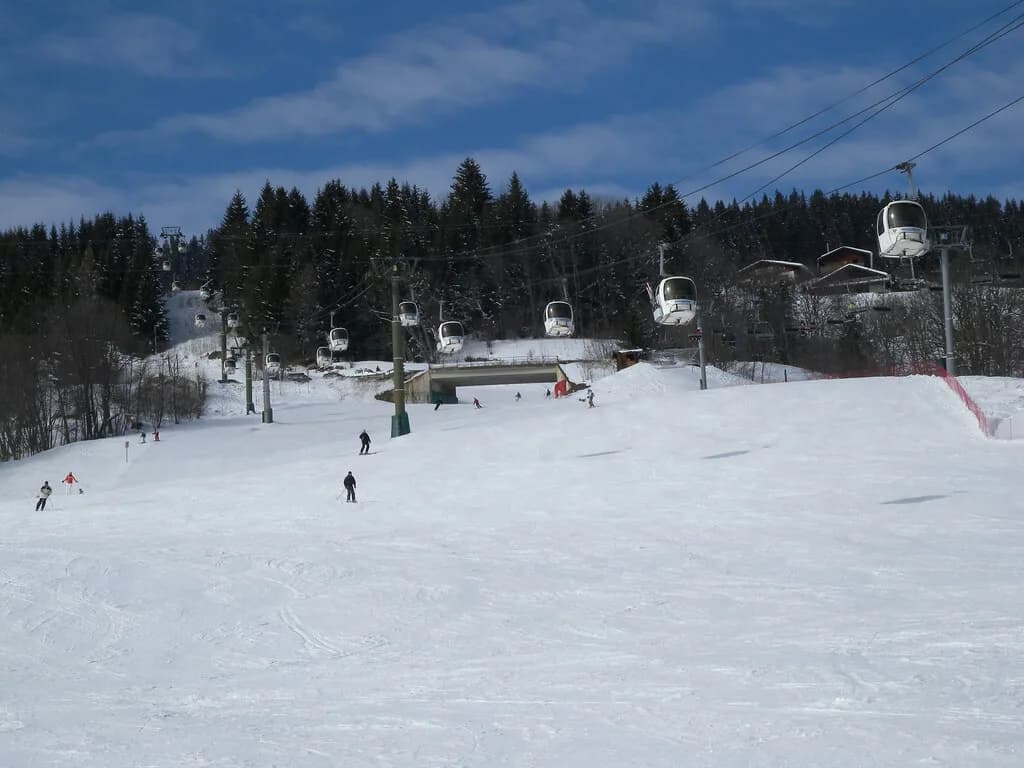
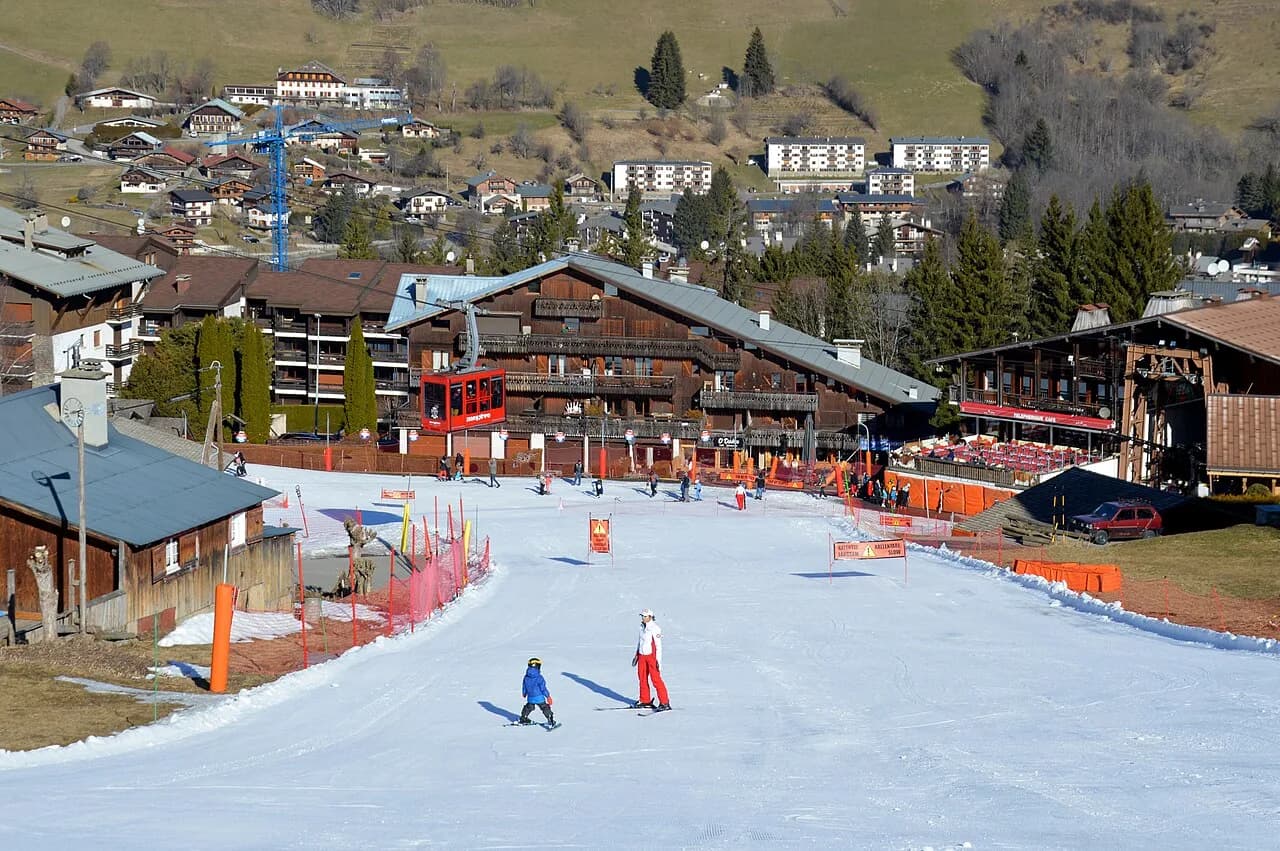
Megève's skiing is spread across three main mountains: Rochebrune, Mont d'Arbois and Le Jaillet. Most of the slopes are wooded, which makes them a sensible choice in poor weather or flat light, and a gondola from the town centre climbs to Rochebrune, which links to Mont d'Arbois by cable car. The 325km ski area figure covers this network and its neighbours rather than a single uninterrupted block.
Further out, Mont Joly and Mont Joux hold the steepest terrain, with the Epaule red down to Saint-Nicolas-de-Véroce a popular descent and Mont Blanc views along the way. La Giettaz and La Combloux are the quieter corners when the main sectors feel busy. Understanding this geography matters when planning a trip, and our megeve piste map breakdown shows how the sectors connect.
For a week's skiing, the practical consequence is that you can choose your sector by weather and ability each morning rather than committing to one base. If you stay near the village, Rochebrune is your default exit; if you stay at Mont d'Arbois, you start higher and reach the cruising blues sooner. Neither is wrong, but the choice affects how much of the 325km you actually ski.
Altitude reality check: 1,100m town, roughly 2,355m summit, and why snow cover matters
A summit around 2,355m is modest for the French Alps, and the resort's own terrain data makes the trade-off plain. The upside is grassy slopes that hold a thin base well; the downside is that rain in the village and slush on the lower return runs are real possibilities in any month. If snow reliability is your priority, weight your dates towards the colder core of the season rather than the edges.
Snowmaking covers most of the pistes, which keeps the main arteries open through cold snaps and busy weeks. It does not create off-piste, and it does not rescue a warm spell on low ground. Read the snow report before you travel, and be honest about whether you want guaranteed village-level cover or are content to ride higher lifts.
Early season: what opens first and what to expect before Christmas
Early December is a soft opening in most Alpine resorts, and Megève is no exception. Expect the higher, snowmade terrain above Mont d'Arbois and Rochebrune to come on stream first, with village-level runs following once temperatures allow. The lift company's detailed openings page is the honest source for what is actually turning, and it is worth checking in the week before you travel.
The pre-Christmas weeks are quiet, cheap by Megève standards and good for lessons, because ski school groups are small. The trade-off is that you may ski a partial area, with some lifts and links still closed. If your trip depends on covering the full 325km, book later; if you want uncrowded pistes and are happy to stay high, this is a rewarding window.
Peak weeks: Christmas, New Year, February half-term and French school holidays
Christmas, New Year and the February half-term block are the busiest and most expensive weeks of the Megève season. French school holiday dates drive much of the demand, and the resort fills with Parisian and Geneva families alongside British skiers. Book accommodation, ski hire and lessons months ahead, and expect lift queues at the main village access points at opening time.
The skiing itself is usually good in these weeks because snowmaking is running flat out and the upper sectors hold their cover. The skill is in managing crowds: start on the Mont d'Arbois side, use the faster lifts rather than the older slow ones, and eat lunch early or late. Mixed-ability groups do well here because there is genuinely something for everyone, from nursery slopes to the shaded reds on the back of Mont d'Arbois.
Late season: March and April skiing, sunny terraces and slushy lower runs
March is arguably the best-value month in Megève: longer days, warmer terraces and a base that has built through the winter. April brings spring conditions, with firm early-morning pistes turning soft by early afternoon and the lowest runs deteriorating first. If you ski in April, plan a late start and finish on the higher terrain rather than fighting the slush to the village.
Off-piste skiers should note that spring snow is a different game, with afternoon wet slides a genuine hazard on steep solar aspects. The Bureau des Guides and local ski schools offer guided days, and booking one is the sensible way to sample the terrain around Mont Joly and Mont Joux without guesswork. Carry rescue kit regardless of the month.
Snow-sureness: grassy terrain, snowmaking coverage and picking your week
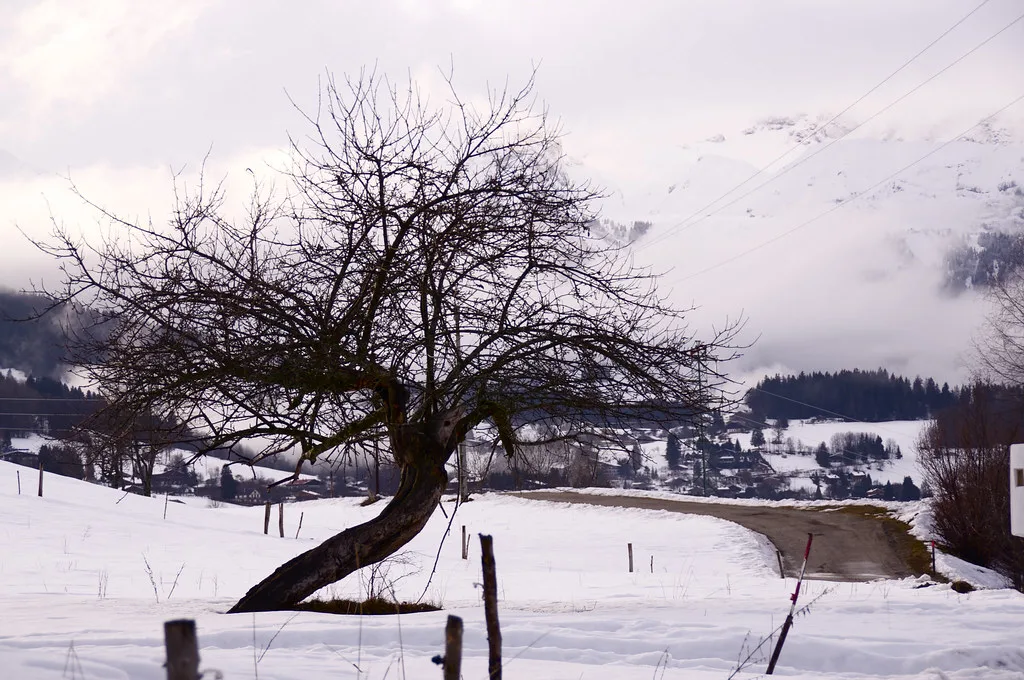
No one can promise snow for a specific week, and any claim otherwise is marketing. What you can do is match your dates to your priorities: January and February for the most reliable cover, March for the best balance of snow and weather, December and April for value and quiet. If you are locked into a school holiday week, you are choosing crowds as well as snow.
Megève's low base means a bad year is more visible here than in Val Thorens or Tignes. The compensation is tree-lined skiing, snowmaking on most pistes and a genuinely attractive town when the weather turns. If a snow-sure high-altitude week matters more than charm, weigh up other resorts; the Alpe d’Huez Ski Season dates show how a higher resort's calendar differs.
Lift passes: local Megève, Évasion Mont Blanc and Mont Blanc Unlimited
Three pass products matter for a Megève trip. The local Megève pass covers the three mountains above the town. The Évasion Mont Blanc pass adds Les Contamines and Saint-Gervais, and the Mont Blanc Unlimited pass extends to Chamonix and Courmayeur. The lift company publishes all three, along with day, six-day and family offers, on its pass pages.
Choose by ambition rather than by prestige. A local pass is enough for most skiers staying a week, especially beginners and families who will spend time in lessons and on the lower slopes. Upgrade to Évasion Mont Blanc if you want a day in Saint-Gervais or Les Contamines, and to Unlimited only if Chamonix is genuinely on your list and the weather is likely to cooperate. Our megeve ski pass guide sets out the comparison in more detail.
Where to buy passes and how to collect them
Buying ahead online is cheaper than turning up at the lift station, and the lift company runs pre-season promotions each autumn with web-only rates. Passes can be delivered to a home address or collected from a pick-up box, which suits late arrivals. Check the purchase and collection options on the official pass site before you travel, since delivery cut-off times vary.
Beware of quoting a single promotional rate as the price of your week. Seasonal offers, day rates and multi-day passes all differ, and the figure that applied in a previous winter tells you nothing about the current one. Read the current tariff page, compare the six-day price with the daily rate, and remember that a six-day pass for the price of five is a recurring pattern worth checking.
Ski schools and hire: ESF, Oxygène, Megève Ski Escape and shop clusters
ESF is the main ski school in Megève, with Oxygène and Megève Ski Escape offering alternatives. Lessons range from snow-garden sessions for young children to private guiding and off-piste days, and the tourism office lists the full spread of children's clubs and courses each winter. Book peak-week lessons early, as the best instructors and small-group slots go first.
Hire is well served, with long-established local shops such as Henry Sports alongside Intersport, Skiset and Sport 2000 branches clustered at the main lift bases. Booking online ahead of your trip usually beats queuing on arrival, and many shops offer the chance to swap models during the week. If you are travelling with children, reserve boots and helmets in advance, and check current prices and availability with the shop.
Getting there: Geneva transfer, Sallanches rail and driving into the valley
Geneva is the natural gateway, and Megève is one of the shortest transfers in the French Alps from that airport. Shared and private transfers run throughout the winter, and hiring a car gives you flexibility for the valley but commits you to winter tyres and parking. Snow Magazine singles out the short Geneva transfer as one reason Megève works for a weekend or short break.
By rail, the nearest main station is Sallanches, with a short taxi or bus connection up to the village. Driving from the UK is feasible but long, and the final climb into the valley can be slow in heavy snow. Once you are in Megève, the village is walkable and free shuttle services link the centre to the main lift bases, so a car is not essential for a week of skiing.
Where to stay for the season you're visiting: village vs lift bases
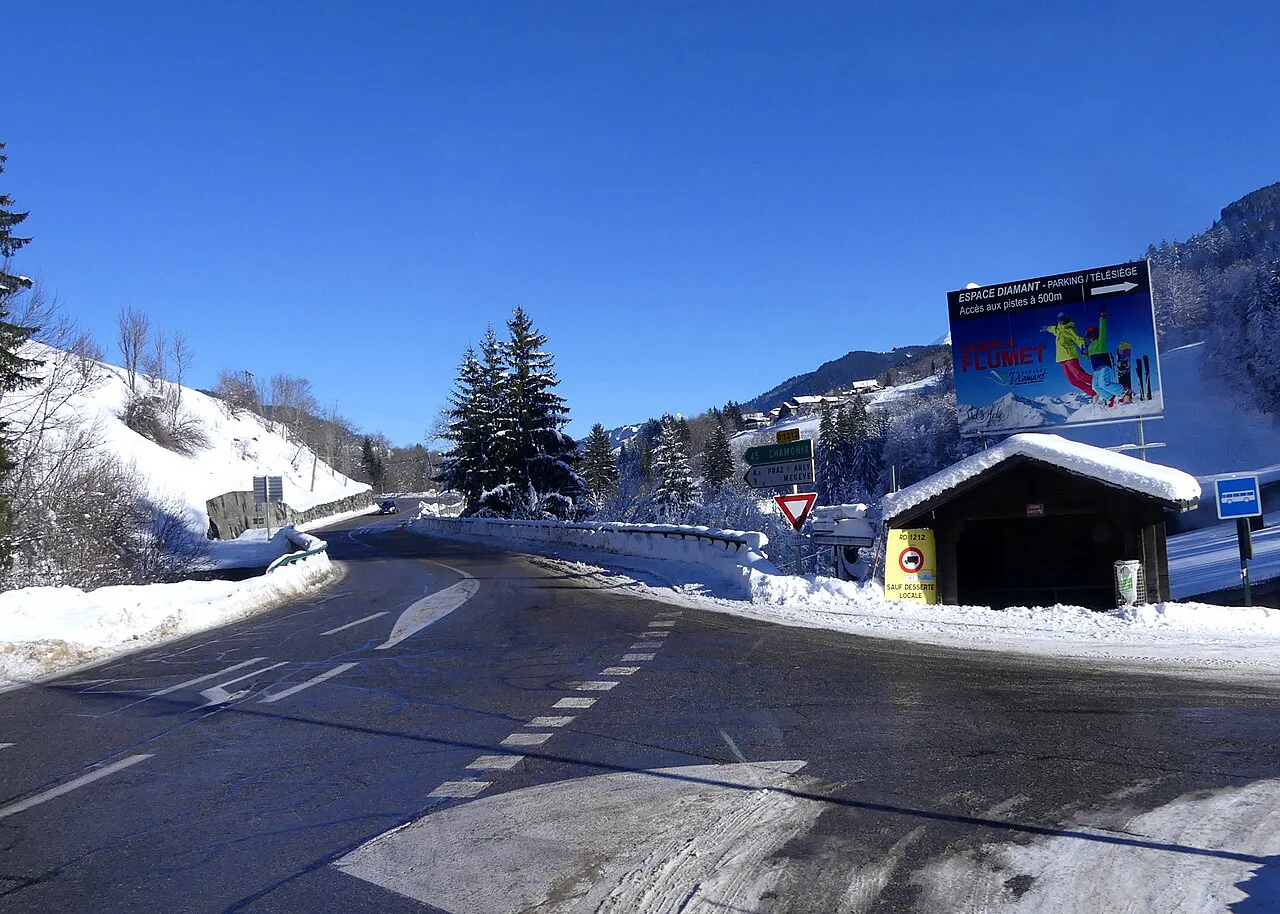
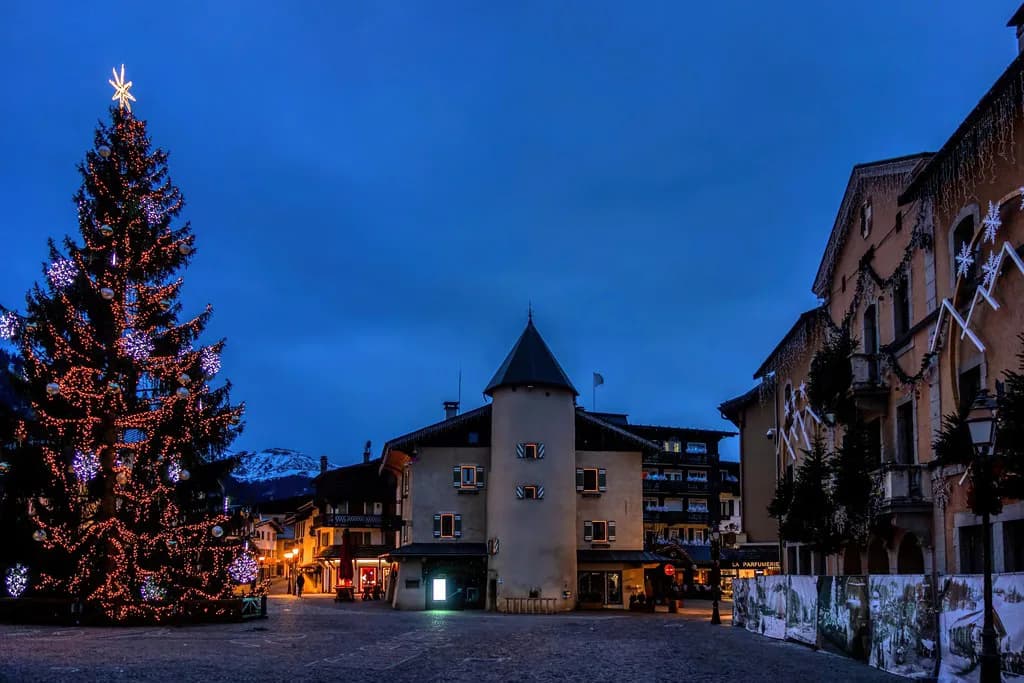
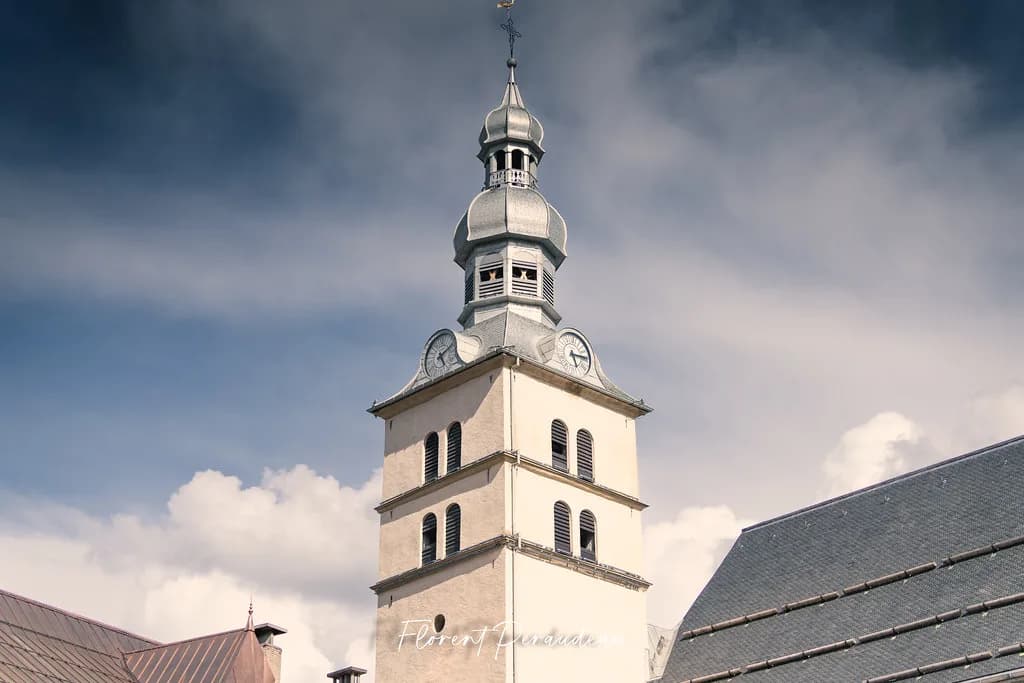
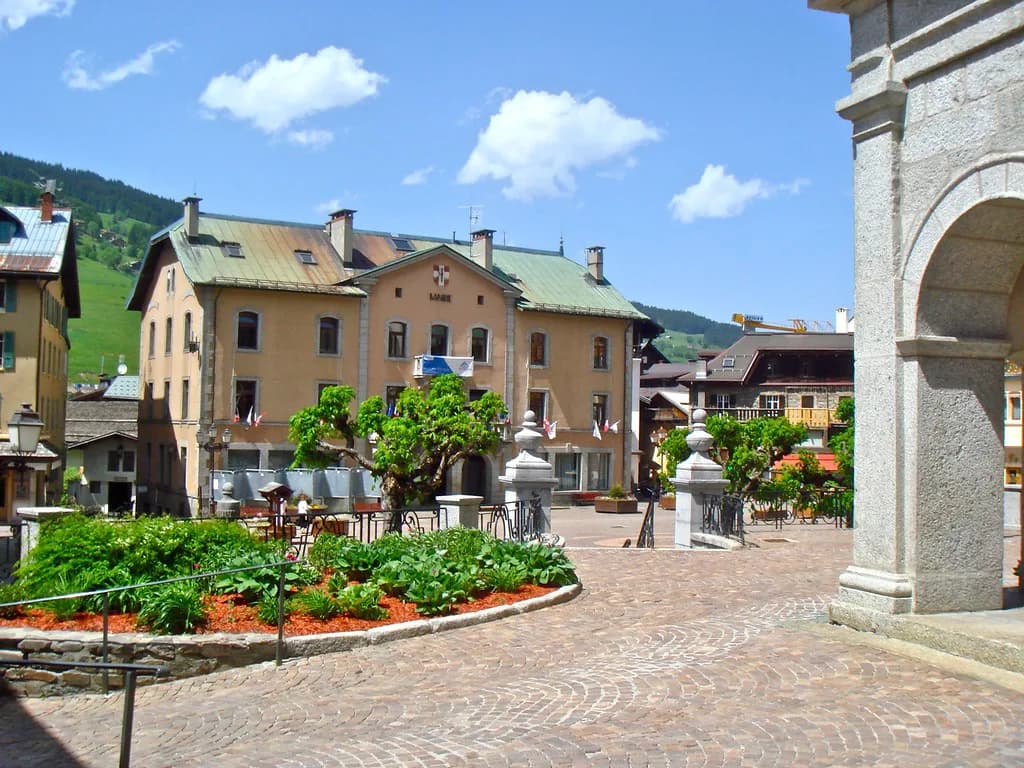
The village centre is the romantic choice: cobbled streets, the 13th-century church, restaurants within walking distance and the Rochebrune gondola at hand. It suits anyone who wants town life after skiing, and it works well for non-skiers. The trade-off is that you may walk or shuttle to the other lift bases each morning.
Staying at Mont d'Arbois or near Le Jaillet puts you closer to the terrain you want, which matters in early and late season when lower runs may be marginal. Demi-Quartier and the approach to Saint-Nicolas-de-Véroce are quieter alternatives with good access. For peak weeks, book early and prioritise location over facilities; a short walk to a lift saves more time than a spa.
Matching ability to sector: beginners, cruising intermediates and off-piste skiers
Beginners start on the valley nursery slopes, then progress to the higher greens on each mountain; Megève is not the easiest resort for absolute beginners, but the progression is gentle once you are moving. Intermediates are the real winners, with cruisey blues on Mont d'Arbois and fast reds at Rochebrune. If you are learning, our Megève skiing for beginners guide covers the learning areas in detail.
Strong skiers should head for the shaded reds on the back of Mont d'Arbois and the front of Rochebrune, then explore Mont Joly and Mont Joux for the steepest pitches. The terrain is left un-groomed in places, and after a dump the off-piste is quieter than Chamonix simply because locals drive elsewhere. La Giettaz and the trees below the Princesse cable car are the pick for tree skiing.
Off-slope days: ice rinks, sledging areas and walking paths
Megève is unusually strong for a non-skiing day. The resort maintains free sledging areas at Pré Saint-Amour, La Caboche and La Livraz, plus a free play area at l'Ours des Prés, all of which cost nothing beyond getting there. Add the Olympic ice rink, snowshoe hikes and a network of cleared walking paths, and a mixed group can split up without anyone sitting in a chalet.
Cross-country skiers get around 40km of trails, some of them on the mountain rather than the valley floor, which makes meeting alpine skiing friends for lunch straightforward. The town itself has spas, a sports centre with a pool, shops and a jazz club that has been running since the 1952. A rest day in Megève is not a wasted day.
A week-by-week view of what to book and when
For a December or early January trip, book accommodation and passes in the autumn and hold your nerve on snow. For February half-term, book everything by early autumn: flights, transfer, hire and lessons. March is more forgiving, but the best-value chalets still go early, and Easter week fills faster than the weather alone would suggest.
Whatever week you choose, sequence the booking sensibly. Secure accommodation near the lift base you want, then lessons, then hire, then passes. Check the resort's published season dates as your trip approaches, and treat the real-time ski map as the final word on what is open. That way a marginal snow week becomes an inconvenience rather than a ruined holiday.
Final Checklist Before You Commit to Dates
Choose your week by ability and appetite for risk: January and February for the most dependable cover, March for the best all-round value, December and April for quiet slopes and lower prices. Match your accommodation to the sector you will actually ski, and buy the pass that reflects your plans rather than the most impressive name.
Then confirm the details that change each winter: the published opening and closing dates, the current pass tariffs and what is actually running on the mountain. Megève rewards skiers who plan around its altitude rather than despite it, and a week built on that logic will be better than one built on hope.
Frequently Asked Questions
When does the Megève ski season start and finish?
The season usually runs from early December to mid-April, but the lift company sets and publishes the exact dates each year. Check the official ski-map page for the current winter before booking, and treat any date you see elsewhere as indicative only.
Is Megève snow sure throughout the season?
No. The village sits at 1,100m and the summit reaches roughly 2,355m, which is modest for the Alps. Snowmaking covers most pistes, and grassy terrain holds a thin base well, but lower runs can suffer in mild spells. January, February and March give the most reliable conditions.
How many kilometres of pistes does Megève have?
The ski area is usually quoted at 325km, spread across Rochebrune, Mont d'Arbois, Le Jaillet and the Mont Joly and Mont Joux sectors. That figure includes linked terrain, so you will not ski all of it in a week unless you move around deliberately.
Which is the best month to ski Megève?
March offers the best balance of reliable cover, longer days and quieter slopes. February suits families tied to half-term and delivers the most dependable snow, while December and April reward skiers who value lower prices and empty pistes over guaranteed cover.
Which lift pass should I buy for Megève?
The local Megève pass covers the three mountains above town and suits most week-long visitors. Choose Évasion Mont Blanc to add Les Contamines and Saint-Gervais, or Mont Blanc Unlimited if you want Chamonix and Courmayeur. Compare current tariffs on the official pass site before deciding.
Is Megève good for beginners and families?
It is workable rather than ideal for absolute beginners, with nursery slopes in the valley and gentle greens higher up. Families benefit from free sledging areas, snow gardens and a wide choice of ski schools. Book lessons and children's clubs early for peak weeks.
How do you get to Megève from Geneva?
Geneva is the closest major airport, with one of the shortest transfers of any French Alpine resort. Shared and private transfers run through the winter, and the nearest rail station is Sallanches. A car gives flexibility but is not essential once you are in the village.
Where can you ski off-piste in Megève?
The steepest terrain lies around Mont Joly and Mont Joux, with access from Mont d'Arbois and the Epaule chairlift. Tree skiing is best at La Giettaz and below the Princesse cable car. Hire a guide and carry avalanche kit, especially in spring.
Sources
Useful notes for your next ski trip
Optional updates to our Alpine resort guides.
You might also like
Continue reading
More guides you'll find useful
.JPG)