La Rosière Ski Pass: Coverage, Duration and Where to Buy
Choose the right La Rosière ski pass: Espace San Bernardo coverage, duration options, beginner zones, where to buy and what to sort before you travel.
On this page
La Rosière sits in Savoie, on a south-facing balcony above the Tarentaise, and its lift pass is not a single-resort product in the ordinary sense. The lifts connect directly with La Thuile in Italy's Aosta Valley, forming the cross-border Espace San Bernardo. That link is the first thing to understand before you compare pass options, because it shapes both what you buy and how you ski.
The second decision is duration. A short break rewards a flexible, simple product; a full week rewards a pass that covers everything you might reasonably ski, including a day across the border. This guide separates those two choices so you can reason about your own trip length rather than defaulting to whatever a price table pushes at you.
What the La Rosière Lift Pass Covers
The Espace San Bernardo is a linked ski area spanning two countries, joining La Rosière in Savoie with La Thuile in the Aosta Valley. One pass covers the circuit, which means you can ski French pistes in the morning and Italian ones after lunch without buying anything extra at the border. The official slopes map confirms this two-resort, two-country arrangement.
For most visitors, the meaningful coverage question is whether to take the full Espace San Bernardo product or a restricted local pass tied to the French side. The full product is the default for anyone with the confidence and time to cross to La Thuile; a local option only makes sense if you know you will stay on the La Rosière slopes. Decide this before you look at duration, because the two decisions compound.
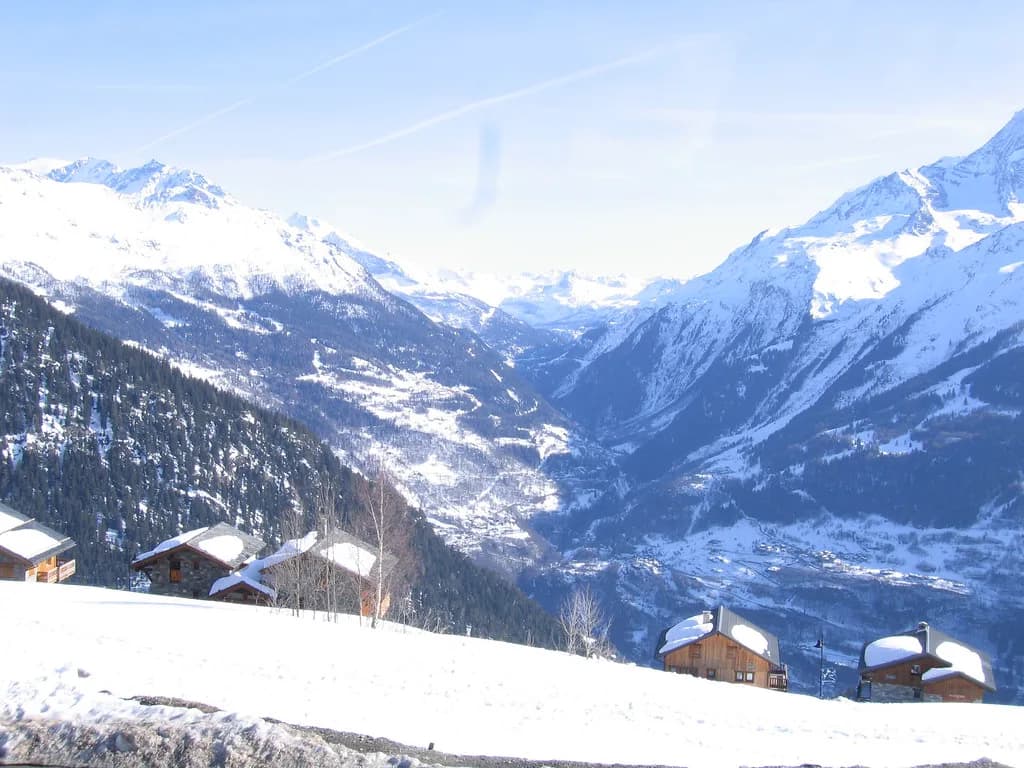
La Rosière faces due south and has a reputation for sunshine, so snow conditions on the lower, sun-exposed slopes can differ noticeably from those higher up or on the Italian side. If your trip falls in a shoulder week, keeping the option to move around the linked area is worth more than a small saving on a restricted pass.
How the Ski Area Is Laid Out
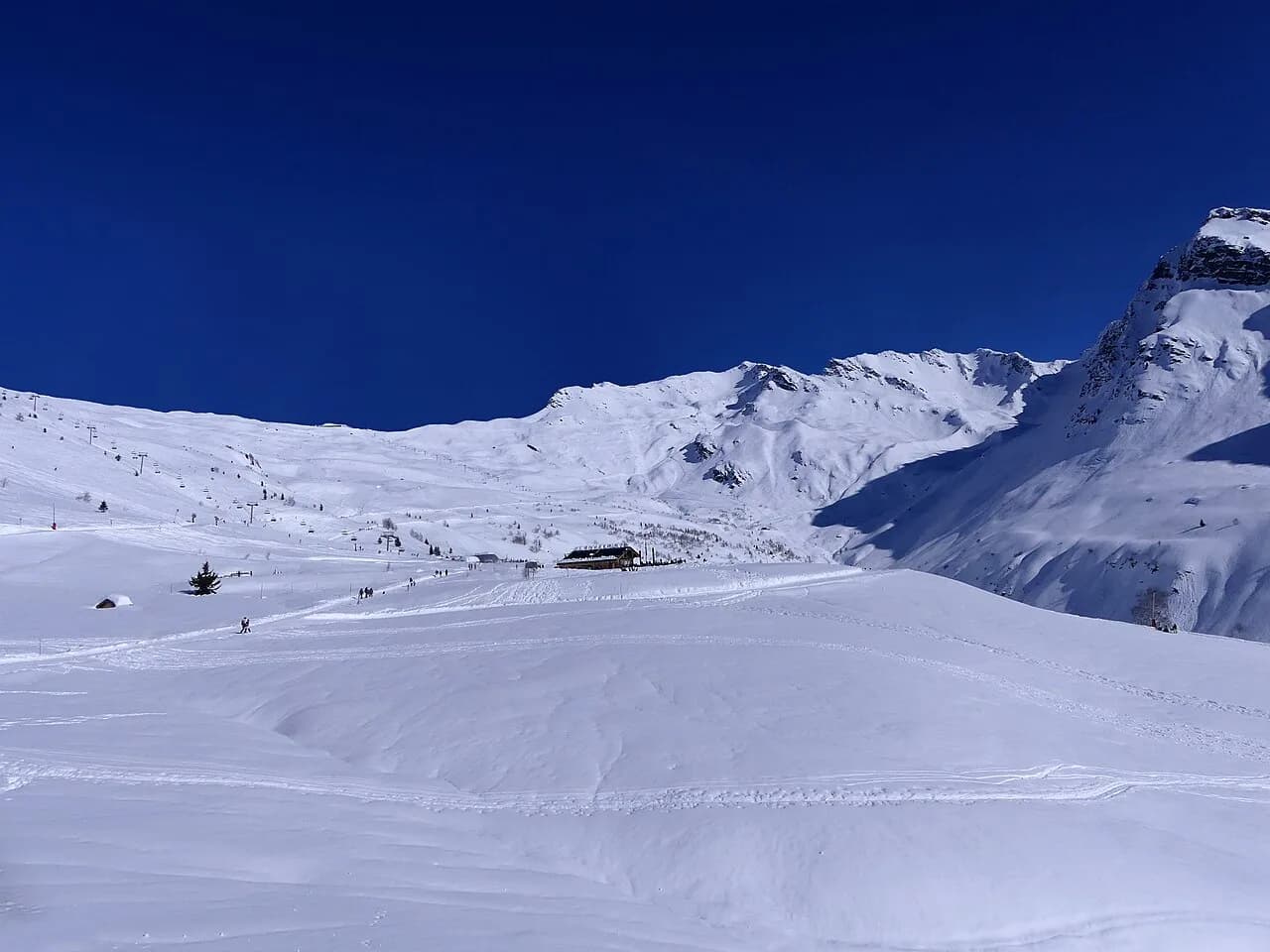
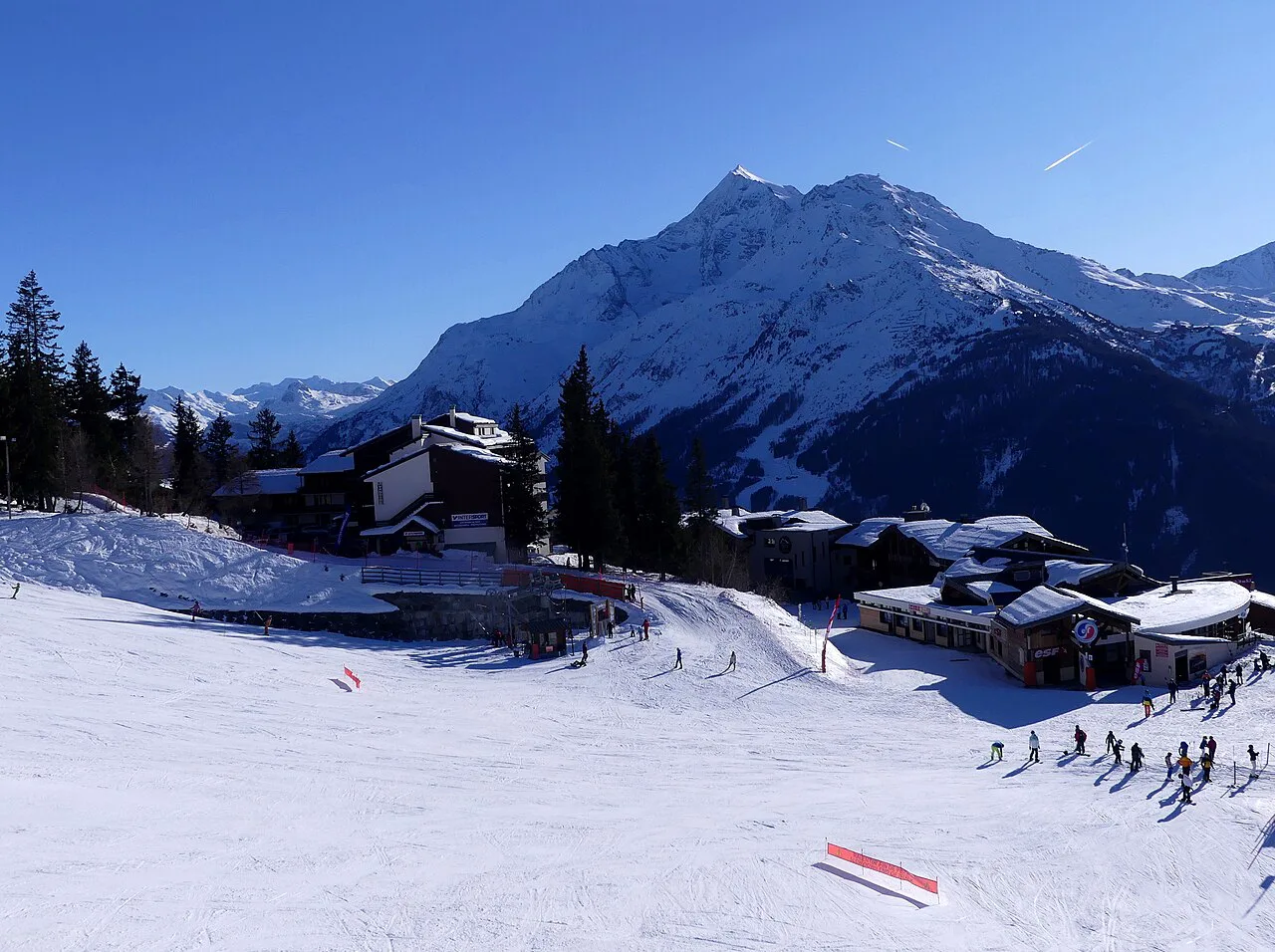
Think of La Rosière as a village resort with lifts rising from the settlement itself, rather than a purpose-built station at altitude. The pistes fan out above the village, and the link to La Thuile runs across the upper terrain. A downloaded slopes map is genuinely useful here, because the cross-border connection is easier to follow on paper than from lift signage alone.
Because the village faces south, the runs back into La Rosière are the ones most exposed to sun. Early-season and late-season visitors should plan around that: start on the sun-facing home slopes and move to higher or shadier sectors as the day warms up. On the Italian side you are entering a different valley and a different weather pattern, which is part of the appeal of the link.
The practical consequence for pass choice is simple. If you never intend to cross into Italy, you are paying for terrain you will not use by buying the full area product, but you are also buying flexibility for marginal weather days. Weigh that against how many days you actually ski.
Which Pass Suits Which Skier
First-timers and cautious beginners should buy coverage for the zone where their lessons take place, not the whole area. A restricted or beginner-oriented product keeps costs down and avoids the temptation to be taken onto terrain beyond your level. Match this to the meeting point your ski school confirms, since a pass that does not cover the lesson area is money wasted.
Intermediates are the group that benefits most from the full Espace San Bernardo pass. You have enough control to link runs, enjoy cruising on both sides of the border and handle the changeable snow on sun-facing slopes. Buying the wider product also gives you a genuine alternative on days when the French side is busy or wind-affected.
Confident skiers planning to ski both countries should simply take the full area coverage for the whole trip. The value comes from variety rather than a single headline run, and the cross-border circuit is the reason to choose La Rosière over a purely French resort. If you want an idea of how a comparable French resort structures its pass options, read this Alpe d'Huez Ski Pass breakdown as a useful comparison point.
Duration Decisions: Day Passes Versus Week Products
A day pass is the right purchase for a short break, a single ski day at either end of a holiday, or a trip where weather and conditions will decide how much you ski. You pay a premium per day for the flexibility, but you avoid committing to days you may not use. For a two- or three-day visit, that trade-off usually favours daily buying.
Once you are skiing four days or more, multi-day and week products start to change the maths, because the per-day cost falls as the duration rises. The official shop lists the current products, durations and rates for the season. Do not rely on last year's figures: repricing happens between seasons, and the shop is the only reliable reference.
Families with mixed abilities often do best by buying different durations for different people rather than a single block for the whole group. A non-skiing parent, a beginner in morning lessons and a teenager doing full days do not need the same product. Build the pass around each person's realistic ski time.
Beginner and Local Pass Options
Restricted pass products exist for good reason: they keep beginners in the lower, gentler zones at a lower cost and discourage wandering onto terrain beyond their level. They pay off only if you genuinely stay in that zone for the whole validity period. If you plan to join the family on the upper slopes by day three, a restricted pass becomes a false economy.
The judgement call is honest self-assessment. If your lessons run in the beginner area and you will spend the rest of the day practising there, a local product is the sensible buy. If you are a lapsed skier returning after years away, take the full area pass and simply choose easier runs; the extra coverage costs less than upgrading mid-trip.
The official shop lists the pass products available, including any restricted or beginner options for the season. Check which zones each product covers before you buy, because the names alone do not always make the coverage boundary obvious.
Season Dates and Opening
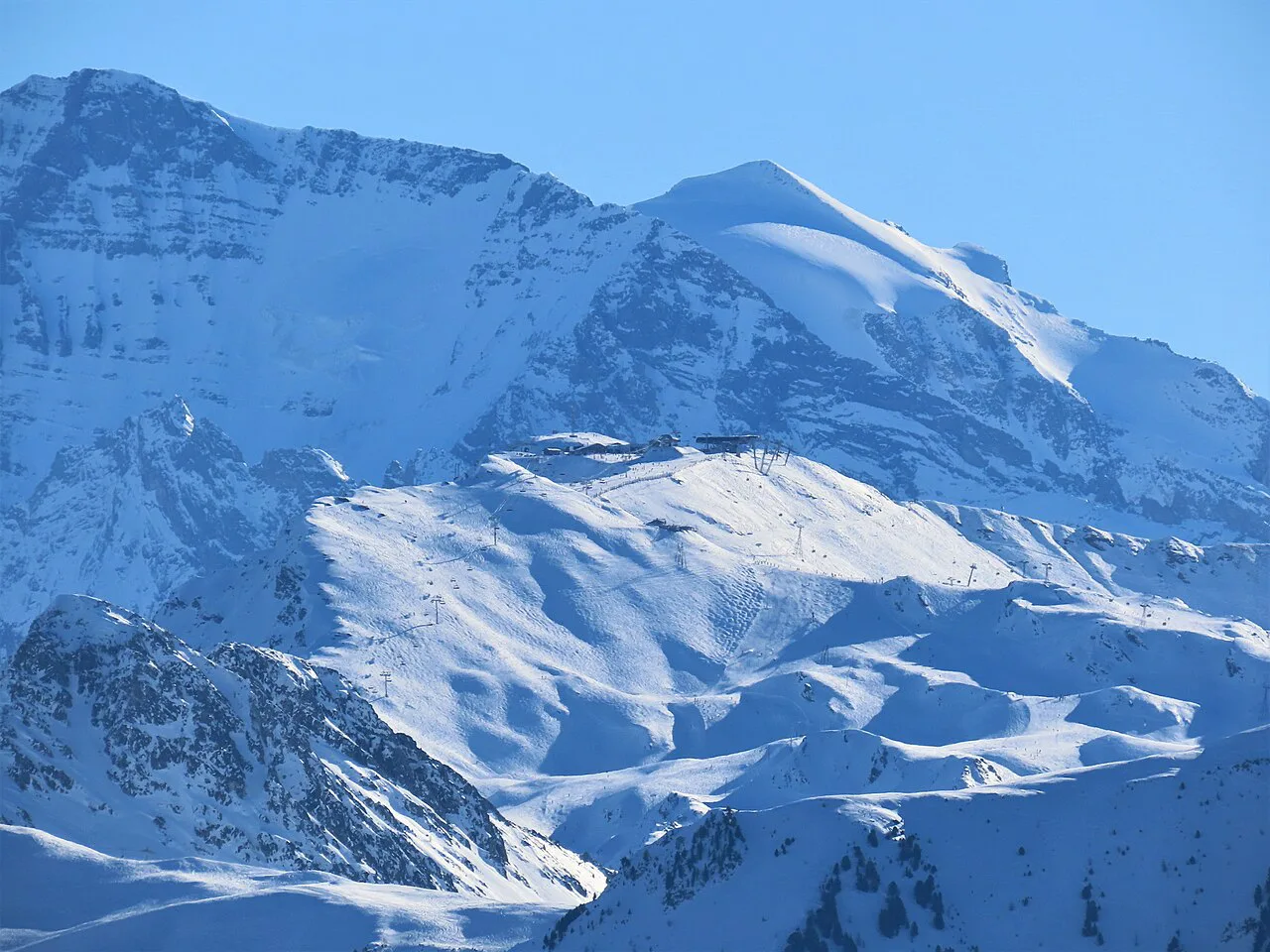
The official slopes map page states that the winter season opens on Saturday 12 December. That is the one firm date to build your travel plans around, and it is worth noting that early-December skiing depends on snow rather than the calendar alone. Opening day does not guarantee full lift and piste coverage.
Closing dates are not published in the same way and can shift with snow conditions, so plan the back end of your trip around what the resort confirms closer to the time rather than a date you saw months earlier. If you are booking a late-season week, favour accommodation with free cancellation and a pass you can buy nearer arrival.
Early and late season both reward a pass that covers the full linked area, because snow tends to be more reliable higher up and on the shaded Italian side. A restricted French-side product is riskier in a marginal week, when the terrain you have paid for may be the thinnest.
Prices and Pass Products
Current rates are set by the lift company and published in the official online shop, where you can see the product list, durations and prices for your dates. Rates change between seasons, so treat any figure you remember from a previous winter as a rough guide only. The shop is the place to confirm what you will actually pay.
Packaged deals that bundle a pass with accommodation or equipment hire are sold by tour operators and resellers, and they can undercut buying everything separately for a full week. The trade-off is less flexibility: you commit to a fixed duration and often a fixed accommodation, so the package only wins if its dates and pass length already match your plans. Compare the package's pass product against the standalone equivalent before assuming it is cheaper.
A straightforward way to compare is to price the same pass duration twice, once inside a package and once as a standalone purchase in the official shop, then add your accommodation separately. That keeps the comparison like for like and stops a headline package rate from looking better than it is.
Where to Buy
The official online shop is the primary route: you buy or reload your pass before you travel, and you arrive with the paperwork or card already sorted. Buying direct keeps you in control of the pass product and duration, and it is the easiest place to see what is actually available for your dates.
Resort ticket offices remain useful for late additions, a single extra day, or a change of plan once you are in La Rosière. The trade-off is time: a first-morning queue eats into a short trip. On a week's holiday it matters little; on a three-day break, buy ahead.
Tour-operator bundles suit travellers who want the whole trip arranged in one booking. If you go this route, confirm which pass product is included and for how many days, since a bundle can include a restricted product rather than the full Espace San Bernardo coverage.
Buying and Reloading an Existing Pass
Reloading is the quiet time-saver of ski-trip admin. If you hold a reusable pass from a previous La Rosière trip, the official shop lets you reload it for the coming season rather than starting again, and you skip the card-issue step on arrival. Check that the card you have is still the one the lift company supports before relying on it.
Order ahead for the first morning specifically. Arrival day is usually consumed by travel, key collection and equipment fitting, so having the pass in hand turns the next morning into a ski morning. If you are travelling with children, sort their passes at the same time; a missing junior pass at the lift is a slow start for everyone.
Ski Schools and Equipment Hire
Book lessons before you fix your pass duration, because lesson timetables determine which days you need full-area coverage and which are better spent cruising. A morning lesson block means afternoons free for the wider area, so a full Espace San Bernardo pass earns its keep. Sort your La Rosière Ski Lessons early in a popular week, when ski school groups fill.
Equipment hire works the same way. Pick up skis the evening before your first ski day where possible, so the first morning starts at the lift rather than in a hire queue. Families with growing children should reserve early in peak weeks to get the sizes and models they want.
If you are hiring rather than bringing your own kit, a package that bundles hire with the pass can be good value for a week. Standalone hire plus a pass bought in the official shop gives more flexibility, particularly if you want to swap equipment mid-trip.
Getting There and Getting Around
La Rosière is reached by road from the Tarentaise valley, with the nearest practical air and rail gateways being the usual Alpine options in the region. Winter driving means carrying chains or winter tyres, and arrival on a changeover Saturday puts you in the busiest traffic of the week. Aim to reach the village earlier in the day if your booking allows.
Once in the resort, the layout is compact enough that walking between accommodation, ticket office and lifts is realistic. That is an argument for collecting or reloading passes on arrival afternoon rather than the next morning. If your accommodation sits on the edge of the village, check whether a shuttle runs before assuming you will walk in ski boots.
Border crossing to La Thuile is on skis, so there are no separate transport arrangements for the Italian side. Carry identification as a matter of routine on the day you plan to cross, and check the link is open on the day, since cross-border connections can close for weather or maintenance.
Money-Saving Trade-Offs
There are three levers: coverage, duration and packaging. Buying restricted coverage you will actually use is the simplest saving. Buying a duration that matches your real ski days avoids paying for unused days. Packaging the pass with accommodation or hire can be cheapest of all for a full week, but only when the package already fits your dates.
Do not assume the cheapest headline product is the best buy. If a restricted pass forces you to upgrade mid-trip, you pay twice. If a package locks you into a fixed duration and the snow is poor, you have bought days you will not use. Match the product to your realistic plans first, then look at the price.
Common Mistakes to Avoid
The most frequent error is buying full-area coverage for a skier who never leaves the French side, or the reverse: a restricted pass for an intermediate who then pays to upgrade on day two. Decide your coverage honestly, based on whether the Italian link is part of your plan.
The second is leaving the purchase until the first morning of a short trip, when a ticket-office queue costs you a chunk of your ski day. The third is mismatching lesson times with pass days, for example buying a multi-day pass that starts the day before your lessons begin. Line up lessons, hire and pass dates together and most of these problems disappear.
Sort Your Pass Before You Travel
Start with coverage: decide whether the Espace San Bernardo link to La Thuile is part of your trip, then choose a duration that matches the days you will actually ski. Buy or reload through the official shop so the first morning starts at the lift, and confirm current rates and season dates there before you commit.
Frequently Asked Questions
Does the La Rosière ski pass include La Thuile in Italy?
The full Espace San Bernardo pass covers both sides of the linked area, joining La Rosière in Savoie with La Thuile in the Aosta Valley. Restricted products may cover only part of the area, so check which zones a given product includes in the official shop before buying.
How much does a La Rosière ski pass cost?
Rates are set by the lift company and change between seasons, so the reliable reference is the official online shop, which lists current products, durations and prices for your dates. Package deals from tour operators may differ from standalone rates.
Can I buy a La Rosière ski pass online before I travel?
Yes. The official shop sells passes ahead of your trip and also allows you to reload an existing card, so you can arrive with the pass already sorted. That is worth doing if your trip is short and you want the first morning free for skiing.
Is there a beginner ski pass for La Rosière?
Restricted products aimed at beginners keep you in the lower, gentler zones at lower cost. They make sense only if you will stay in that zone for the whole validity period; if you expect to progress to the wider area, buy the full pass instead.
When does the La Rosière ski season open?
The official slopes map page gives Saturday 12 December as the opening date for winter 2026/2027. Early-season conditions depend on snow, and closing dates vary with conditions, so confirm the schedule as your trip approaches.
Can I reload an existing La Rosière lift pass?
Yes, the official shop has a reload route for existing cards. Check that the card you hold is still supported before relying on it, and complete the reload before you travel so you are not sorting it out on arrival day.
Is a week pass better value than daily passes in La Rosière?
For four or more ski days, multi-day and week products typically bring down the per-day cost, but the exact crossover depends on current rates. Short breaks of two or three days usually favour daily buying, which keeps flexibility if weather changes your plans.
Where do I collect a La Rosière ski pass?
If you buy through the official shop in advance, you avoid the ticket-office queue on arrival. Resort ticket offices handle late additions and changes once you are in the village, and reloading an existing card removes the collection step entirely.
Sources
Useful notes for your next ski trip
Optional updates to our Alpine resort guides.
You might also like
Continue reading
More guides you'll find useful